AI Photos vs Real Photos: Can You Tell the Difference?
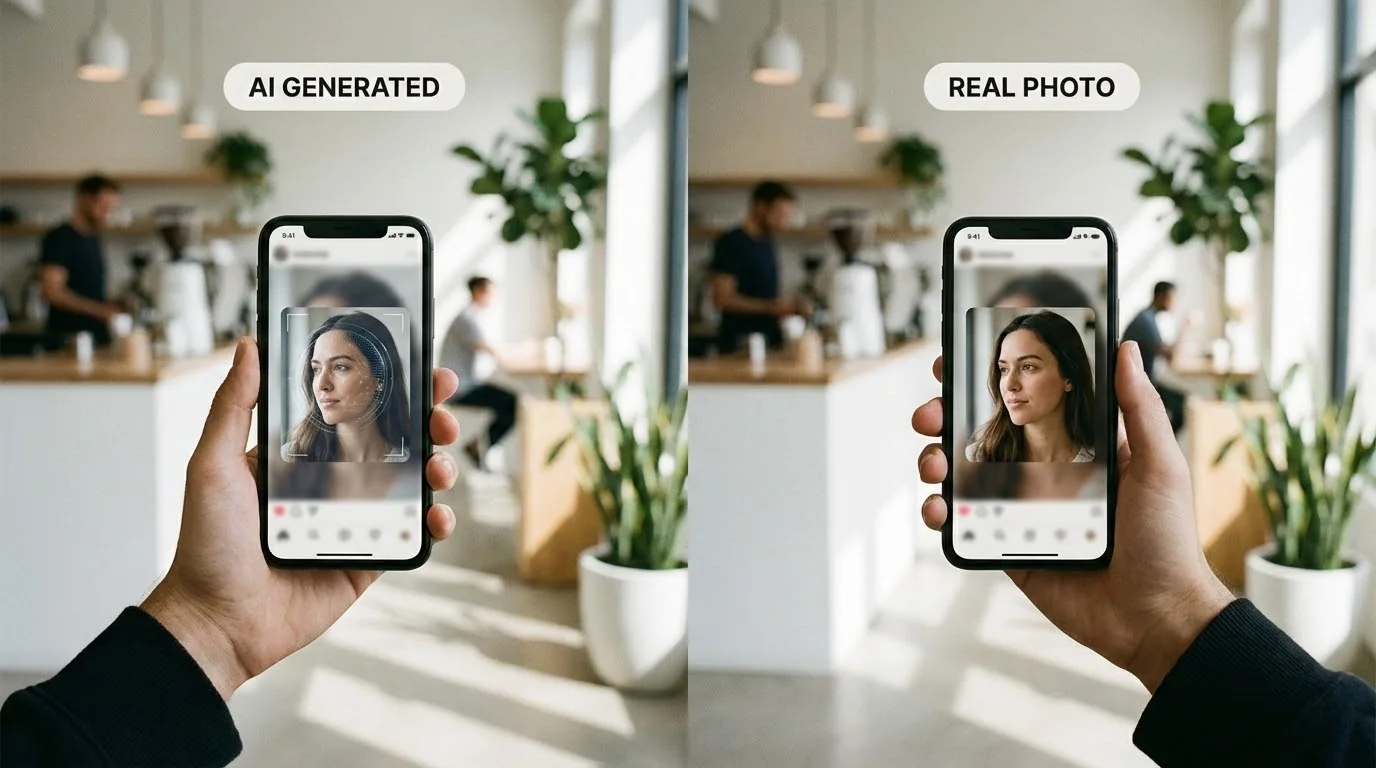
You're scrolling through Tinder and pause on a profile. The photos look great—maybe too great. Is that real or AI? With AI photo generators creating increasingly realistic images, the line between artificial and authentic has blurred. Studies show that 73% of dating app users can't reliably distinguish AI photos from real ones in blind tests. But dating platforms are getting smarter at detection, and using the wrong type of photo could get your profile flagged.
This matters for more than just fooling the eye. Some AI photos pass undetected while others scream "fake." Some real photos look suspiciously polished. Whether you're considering AI photos for your dating profile or just curious about the technology, knowing the difference matters for your online presence and match rate.
Key Takeaways
- Visual markers matter: AI photos often show subtle tells in eyes, hands, backgrounds, and lighting inconsistencies that trained eyes can spot
- Context is crucial: Real photos have natural imperfections and environmental details that AI struggles to replicate convincingly
- Detection tools work: Modern AI detection systems analyze metadata, pixel patterns, and authenticity scores to flag synthetic images
- Platform policies vary: Dating apps have different rules for AI photos—some allow them with disclosure, others ban them entirely
How to Spot AI-Generated Photos
AI photo generators have improved dramatically, but they still leave telltale signs. Here's what to look for when examining a photo:
Eyes and facial features: AI often struggles with eyes—look for asymmetry, unusual reflections, or eyes that don't quite focus on the camera. The irises might have strange patterns or the pupils could be different sizes. Teeth are another giveaway, sometimes appearing too perfect or slightly misaligned in unnatural ways.
Hands and fingers: This remains AI's biggest weakness. Count the fingers—AI frequently generates extra digits, fused fingers, or hands in anatomically impossible positions. Fingernails might be inconsistent or missing entirely.
Background inconsistencies: Real photos have coherent backgrounds with proper perspective. AI-generated images often have warped architectural elements, text that's gibberish, or objects that blend unnaturally into each other. Light sources might not match shadow directions.
Skin texture and details: AI tends to over-smooth skin, creating an airbrushed effect that real photos rarely achieve. Look for pores, freckles, and natural skin variations. Real photos also show fabric textures authentically—AI sometimes creates patterns that look plausible from a distance but break down under scrutiny.
Metadata clues: Real photos contain EXIF data showing camera model, settings, and timestamps. AI-generated images often lack this information or show inconsistent metadata. This technical data can be a quick verification method.
Before uploading photos to dating apps, use our free Realness Score Analyzer to check if your images might trigger detection systems. It provides instant feedback on authenticity markers that platforms look for.
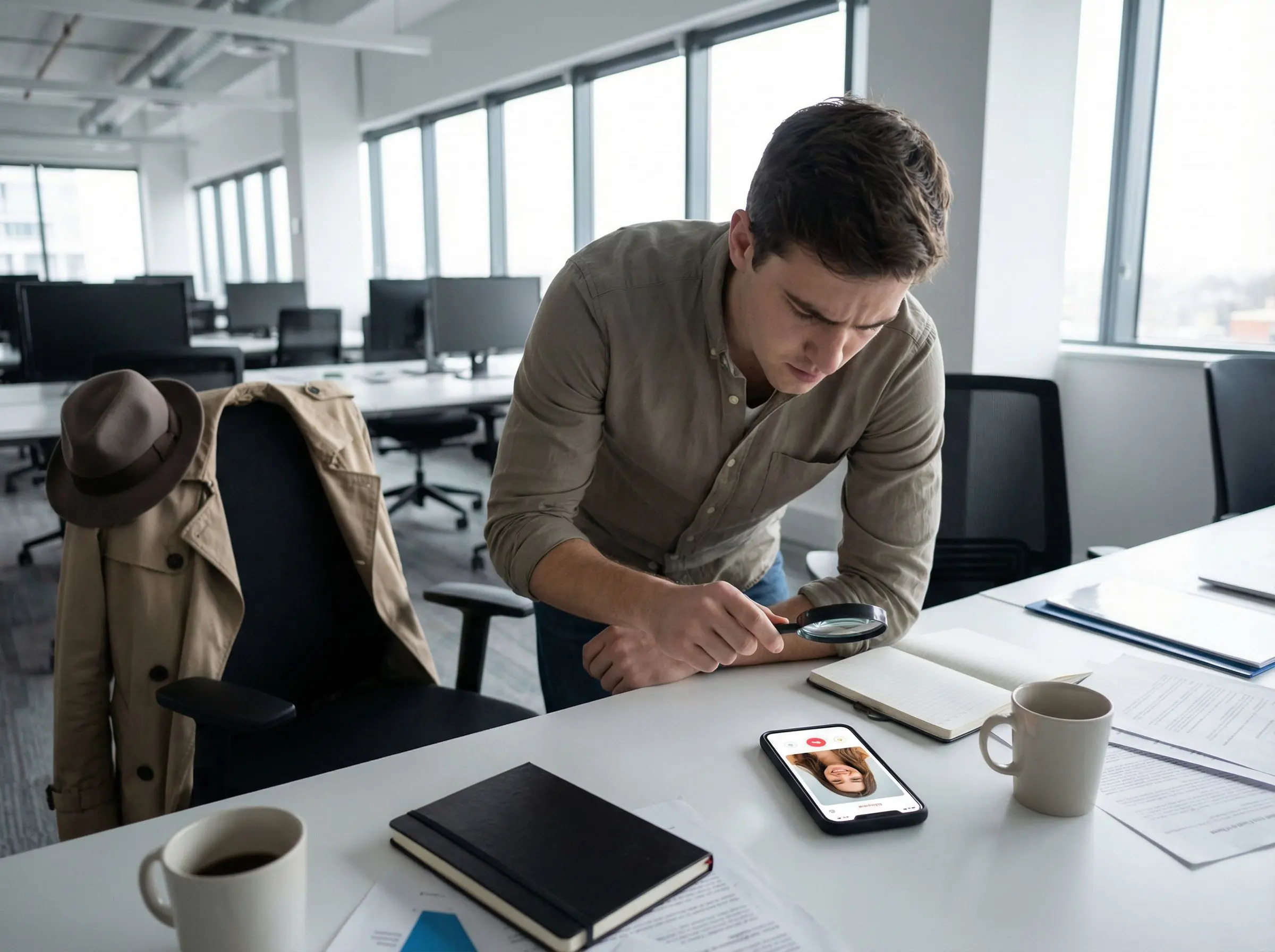
Check Your Photos Before Dating Apps Do
Use our free AI Realness Score Analyzer to check if your photos might trigger detection systems on Tinder, Hinge, and Bumble.
Free analysis • Instant results • No signup required
Analyze Your Photos Free →Key Differences in Photo Quality
Beyond spotting fakes, understanding quality differences helps you make better photo choices for your dating profile.
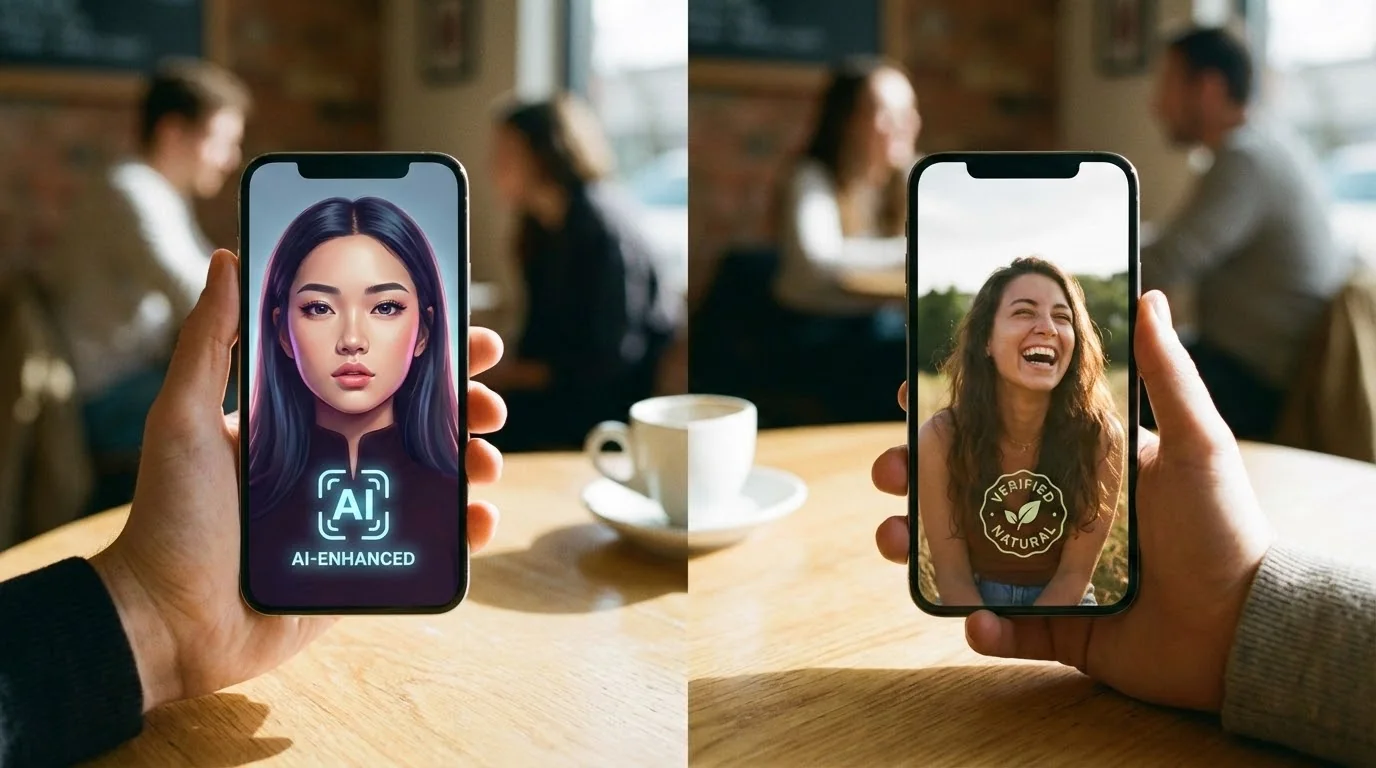
Authenticity vs. polish: Real photos capture genuine moments with natural imperfections—a slightly crooked smile, wind-blown hair, or an imperfect background. These "flaws" actually increase perceived authenticity. AI photos tend toward unrealistic perfection, which can trigger suspicion even when technically flawless.
Emotional connection: Real photos convey genuine emotions and personality. The micro-expressions, body language, and spontaneous moments create connection. AI-generated photos, while visually appealing, often lack this emotional depth. The smile might be perfect, but it doesn't reach the eyes in that authentic way.
Variety and consistency: Real photo sets show consistent facial features across different settings, lighting, and angles. AI-generated photo sets sometimes show subtle inconsistencies in facial structure between images, even when using the same model. Real people look like themselves in every photo; AI versions might vary slightly.
Environmental details: Professional real photos and amateur real photos both contain environmental storytelling—the coffee shop in the background, the hiking trail, the friend cropped out at the edge. AI backgrounds often look like stock images or contain impossible elements that break immersion.
For platform-specific guidance on photo quality standards, check out our complete Tinder AI photo guide with proven examples that pass detection while maintaining authenticity.
Dating App Detection Methods
Dating platforms invest heavily in AI detection to maintain user trust. Understanding their methods helps you make informed decisions about your photos.
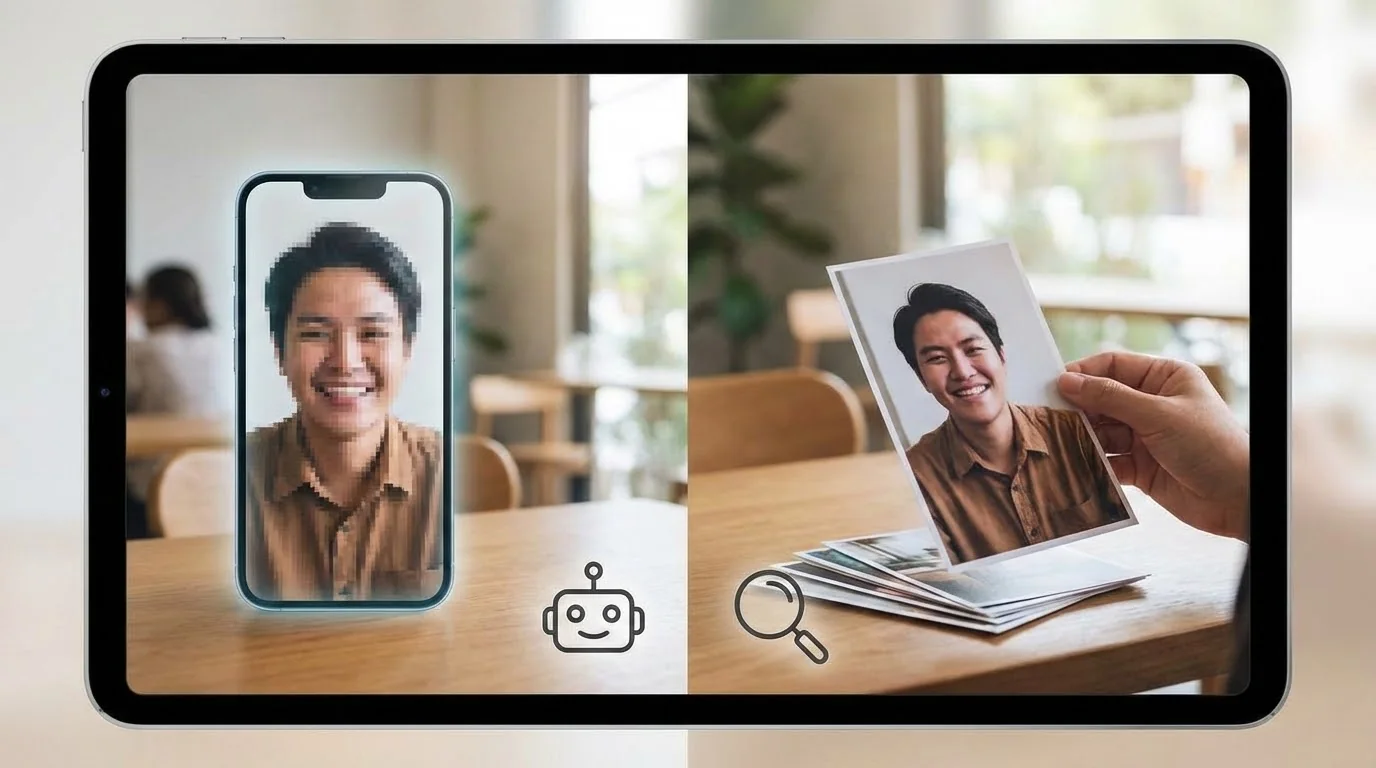
Machine learning classifiers: Apps train algorithms on millions of real and AI-generated images. These systems analyze pixel-level patterns, compression artifacts, and statistical anomalies invisible to human eyes. They're particularly effective at catching images from popular generators.
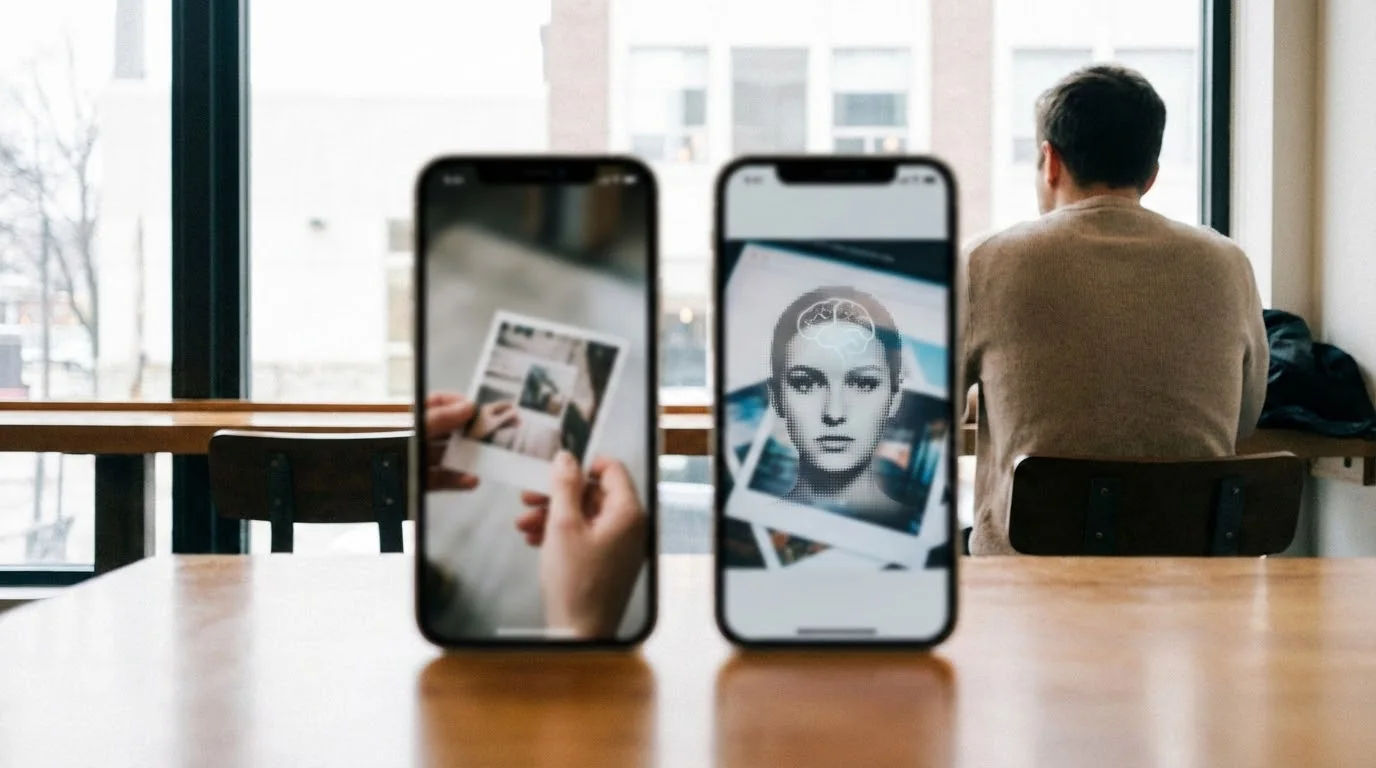
Reverse image searches: Platforms check if photos appear elsewhere online or match known AI-generated image databases. If your "unique" photo shows up in someone else's profile or an AI gallery, it's flagged instantly.
Behavioral analysis: Detection systems look at your entire profile pattern. All-perfect photos uploaded simultaneously, no progression over time, or photos that don't match your stated age all trigger suspicion. Real profiles show natural photo accumulation over months.
User reporting: Human detection remains powerful. When multiple users report your photos as suspicious or AI-generated, manual review kicks in. This community-driven approach catches sophisticated AI photos that automated systems might miss.
Metadata verification: Apps examine EXIF data for consistency. Photos claiming to be iPhone shots but lacking proper metadata, or images with edited timestamps, raise red flags. Missing geolocation data on photos that should have it is another marker.
If you're concerned about how your photos measure up, our Realness Score Analyzer uses similar detection principles to give you a preview of how platforms might evaluate your images.
When AI Photos Work (and When They Don't)
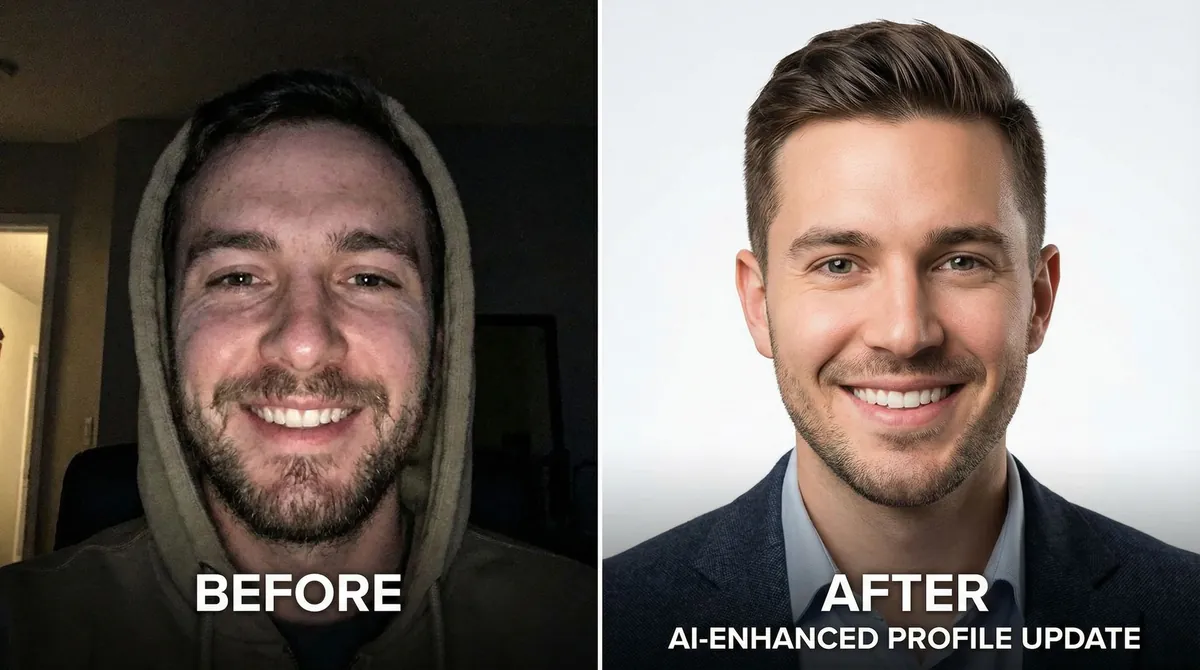
AI photos work best when:
- Mixed with real photos: A profile with 70% real photos and 30% high-quality AI photos performs better than either extreme. The real photos provide authenticity while AI photos fill gaps in variety.
- Used for specific scenarios: Don't have professional attire photos? AI can generate business casual shots. Missing outdoor adventure photos? AI fills that niche convincingly.
- Quality is paramount: High-realness-score AI photos from premium generators pass detection far better than free tools' obvious outputs.
- Platform allows them: Some apps explicitly permit AI photos with disclosure. Using them within guidelines avoids bans while enhancing your profile.
AI photos fail when:
- Entire profile is AI: This screams catfish and gets flagged immediately. No genuine person has exclusively perfect photos.
- Quality is poor: Low-quality AI photos with obvious artifacts hurt more than having fewer photos. Better to have three great real photos than six mediocre AI ones.
- Features are inconsistent: AI photos where you look noticeably different between shots destroy trust even if individual photos look real.
- Against platform rules: Using AI photos on apps that explicitly ban them risks permanent account suspension, not just photo removal.
For a comprehensive comparison of when to choose AI versus professional photography, explore our complete AI vs photographer analysis with cost breakdowns and match rate data.
Get Detection-Proof AI Dating Photos
Create high-realness-score AI photos that blend naturally with your real photos. Upload selfies, get 80-180 AI-optimized dating photos in 20 minutes.
100+ unique photos • Privacy-first • One-time payment
Check Your Photo Quality Free →How to Test Photo Authenticity
Whether you're evaluating your own photos or questioning someone else's profile, these testing methods provide clarity:
Step 1: Visual inspection - Start with the manual checks described earlier: hands, eyes, background consistency, skin texture. This catches obvious AI photos immediately.
Step 2: Use detection tools - Run photos through AI detection analyzers. Our Realness Score Analyzer provides instant scores showing how likely platforms are to flag your images. Scores above 85 generally pass platform detection.
Step 3: Reverse image search - Use Google Images or TinEye to check if the photo appears elsewhere online. Legitimate personal photos won't show up in stock photo databases or other profiles.
Step 4: Check metadata - Use EXIF viewers to examine photo data. Real photos from modern smartphones contain extensive metadata about camera settings, date, location. Missing or inconsistent data suggests editing or generation.
Step 5: Request verification - On dating apps, you can request photo verification through the app's built-in systems. Real people can provide real-time verification; catfishes can't.
Step 6: Look for consistency - Compare multiple photos in a profile. Do facial features match perfectly? Are there progressive changes showing aging or different hairstyles? Real profiles show natural progression; AI profiles often don't.
Final Thoughts
The distinction between AI photos vs real photos isn't about condemning technology—it's about using it wisely. High-quality AI photos have legitimate uses in dating profiles when mixed thoughtfully with authentic images and used according to platform guidelines. The key is understanding the markers that separate convincing AI from obvious fakes, and knowing when each type serves your interests best.
Ready to optimize your dating profile? Start by testing your current photos with our free Realness Score Analyzer to see how they measure up against platform detection systems. Whether you're using real photos, AI photos, or a strategic mix, knowing your authenticity score helps you make informed decisions that improve your match rate without risking account flags.
Transform Your Dating Profile Today
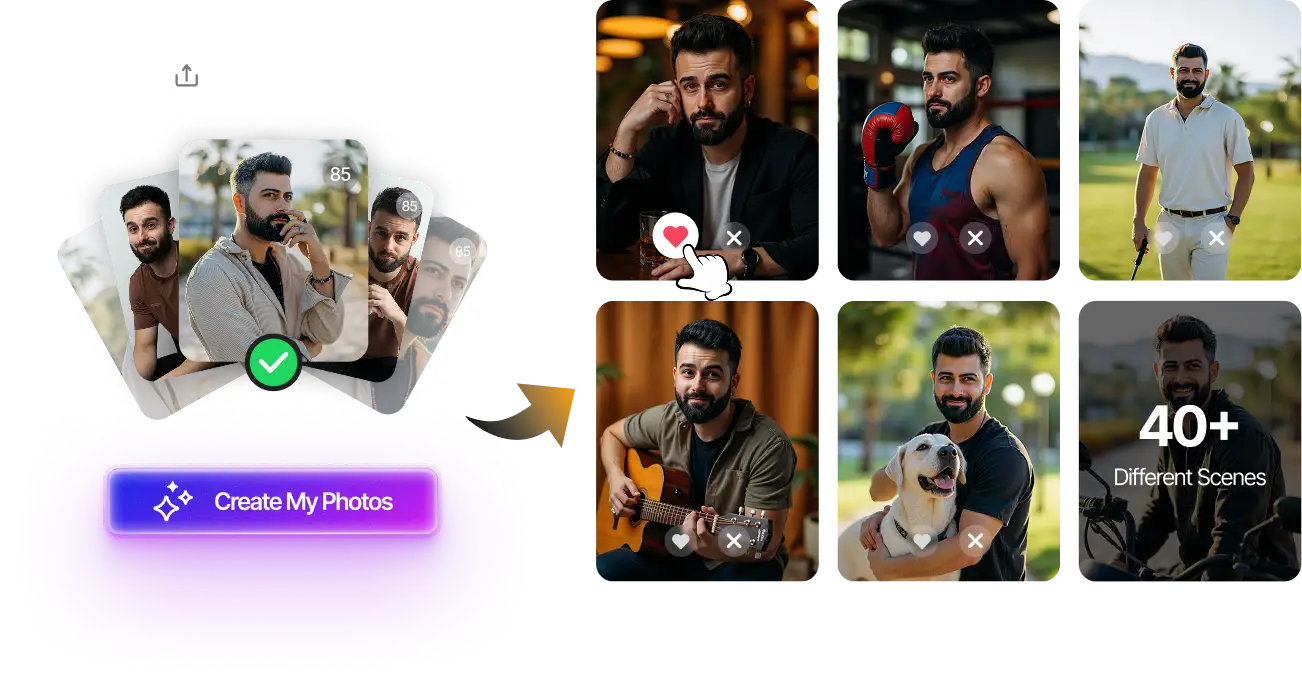
Upload your selfies, get 80-180 AI-optimized dating photos in just 20 minutes. No photoshoot needed.
100+ unique photos • Privacy-first • One-time payment
Get Started Now →FAQ
Can dating apps actually detect AI photos?
Yes, modern dating apps use sophisticated machine learning algorithms that analyze pixel patterns, metadata, and statistical anomalies to detect AI-generated images. Platforms like Tinder and Hinge have detection systems that catch most low-quality AI photos, though high-quality AI images with realness scores above 85 can pass undetected when mixed with real photos.
What's the biggest giveaway that a photo is AI-generated?
Hands and fingers remain AI's most consistent weakness. Look for extra fingers, fused digits, or anatomically impossible hand positions. Other major tells include overly smooth skin texture, asymmetric eyes, background inconsistencies, and missing or inconsistent metadata. Using a realness score analyzer can quickly identify these issues.
Are AI photos allowed on dating apps?
Policies vary by platform. Some apps like Bumble have begun requiring disclosure of AI photos, while others ban them entirely. Tinder's policy is evolving, with enforcement focusing more on catfishing than technical AI use. Always check current platform guidelines and consider mixing AI photos with real ones rather than using AI exclusively to avoid account flags.
How can I make AI photos look more realistic?
Use premium AI generators that produce high realness scores, mix AI photos with genuine photos in your profile, ensure consistency in facial features across all AI images, add natural imperfections if the generator allows customization, and verify that metadata looks authentic. Testing with detection tools before uploading helps catch obvious markers.
Do AI photos actually get more matches than real photos?
It depends on photo quality and strategy. High-quality AI photos can outperform poor real photos by providing professional-looking images in ideal settings. However, authentic real photos that show personality often create stronger emotional connections. The best results typically come from profiles mixing 70% high-quality real photos with 30% strategic AI photos that fill specific gaps like formal attire or outdoor activities.