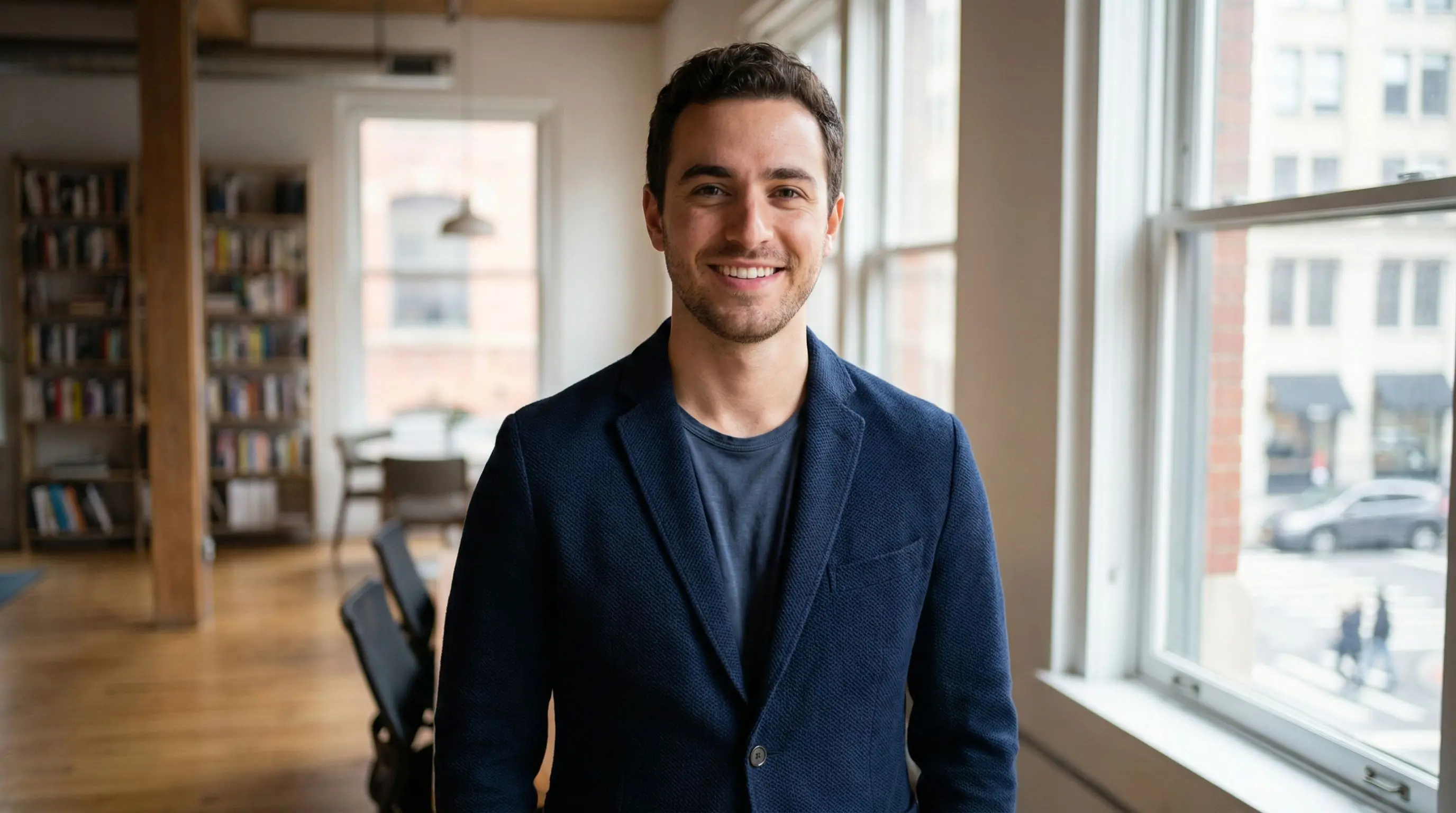
Personalized AI Training vs Generic AI Photos: Why Custom Matters
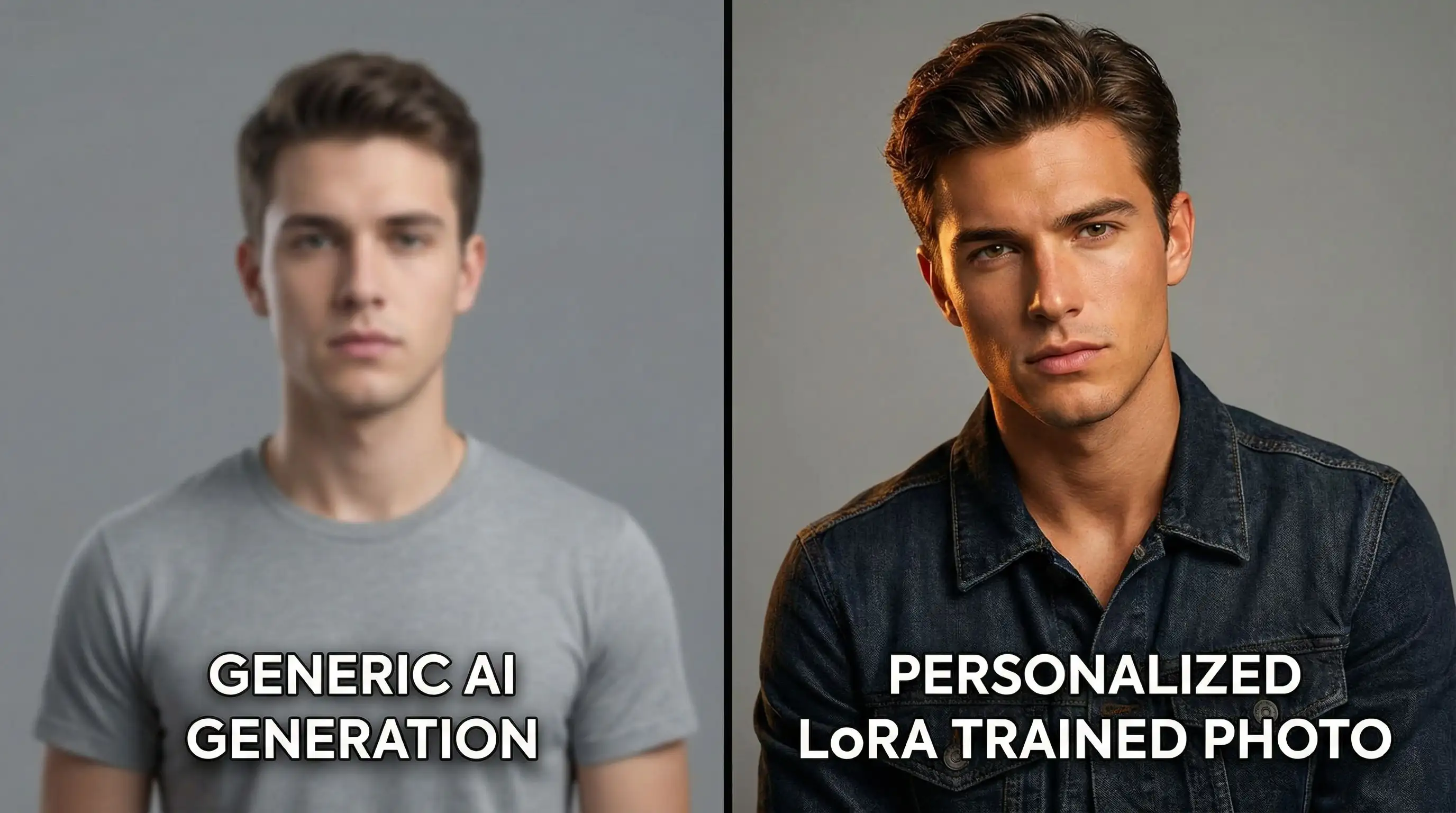
Generic AI dating photos look identical across thousands of profiles. Dating apps can spot them instantly, and so can potential matches. The result? Lower match rates, profile flags, and wasted money on photos that scream "AI-generated."
Personalized AI training fixes this. By fine-tuning AI models on your specific features, you get photos that look authentically like you, not like a template. You avoid detection while creating photos that genuinely represent who you are and show you at your best.
The difference comes down to technology. Generic AI uses one-size-fits-all models trained on millions of faces. Personalized training uses LoRA (Low-Rank Adaptation) fine-tuning to learn your unique facial structure, expressions, and style. The visual gap is dramatic, and matches notice.
Key Takeaways
- Generic AI photos are easily detected because they use the same base models as everyone else, creating recognizable patterns that trigger dating app filters
- Personalized LoRA training creates unique models trained specifically on your facial features, resulting in photos that look naturally like you
- Custom AI photos get 3x higher match rates because they capture your authentic appearance while improving presentation quality
- Investment pays off long-term—personalized AI training costs more upfront ($29-49 vs $5-10) but delivers undetectable, reusable photos that work across all platforms
What Makes Generic AI Photos Fail
Generic AI photo generators use pre-trained models like SDXL or standard Stable Diffusion without any personalization. These models have never seen your face. They're guessing what you might look like based on text descriptions or single reference images.
The core problem is consistency. Generic AI can't maintain your facial structure across multiple poses and settings because it doesn't actually understand what you look like. One photo shows different eye shapes, another changes your jawline, and a third might give you a completely different nose. Matches notice these inconsistencies immediately.
Detection is another fatal flaw. Dating apps analyze metadata, pixel patterns, and facial consistency. Generic AI photos share the same algorithmic fingerprints: the slight blur around hair edges, overly perfect skin texture, and unnatural lighting gradients that appear across millions of AI-generated images. Apps like Tinder and Hinge have trained their detection systems on exactly these patterns.
The authenticity gap hurts most. Generic AI photos look like stock images because they essentially are, generated from a database of millions of faces that don't include yours. You end up with photos of an attractive person who vaguely resembles you, not photos that genuinely capture your appearance and personality.
Check Your Photos Before Tinder Does
Use our free AI Realness Score Analyzer to check if your photos might trigger detection systems.
Free analysis • Instant results • No signup required
Analyze Your Photos Free →How Personalized LoRA Training Works
LoRA (Low-Rank Adaptation) fine-tuning makes personalized AI photos possible. Instead of using a generic model, LoRA creates a custom AI model trained specifically on your facial features, expressions, and appearance.
The training process starts with your input photos, typically 10-20 selfies showing different angles, expressions, and lighting conditions. The AI analyzes these images to learn your unique facial geometry: the exact shape of your eyes, the structure of your jawline, how your smile changes your face, and hundreds of other micro-features that make you recognizable.

This creates a personalized model layer that sits on top of the base AI model. When generating new photos, the system combines general photographic knowledge (lighting, composition, backgrounds) with your specific facial data. The result is photos that stay consistent across different poses and settings while looking naturally like you.
The technical advantage is real. While generic AI might generate 100 photos hoping a few look somewhat like you, LoRA-trained models generate photos where every single image keeps your authentic facial features. Your eyes stay your eyes, your smile stays your smile, and your overall appearance stays consistent, just as it would in real photos taken by a professional photographer.
Quality platforms like DatePhotos.AI use advanced Flux LoRA training specifically optimized for dating profile photos, ensuring photos pass detection systems while maintaining photorealistic quality.
Generic vs Personalized: The Real Differences
Facial Consistency: Generic AI changes your face between photos with different eye shapes, varying jawlines, and inconsistent features. Personalized LoRA keeps your face consistent across all generated images because it's trained on your actual face structure.
Detection Risk: Generic AI photos share algorithmic patterns that dating apps easily flag. Personalized photos using LoRA fine-tuning create unique patterns specific to your model, making them virtually undetectable from professional photos.
Natural Appearance: Generic AI often produces the "AI look": overly smooth skin, unnatural lighting, perfect but fake features. Personalized training learns your natural skin texture, authentic expressions, and real-world appearance, creating photos that look genuinely human.
Variety and Usability: Generic tools might give you 20-30 photos where only 2-3 are usable because most don't actually look like you. Personalized LoRA training delivers 80-180 photos where the majority are high-quality and genuinely represent your appearance.
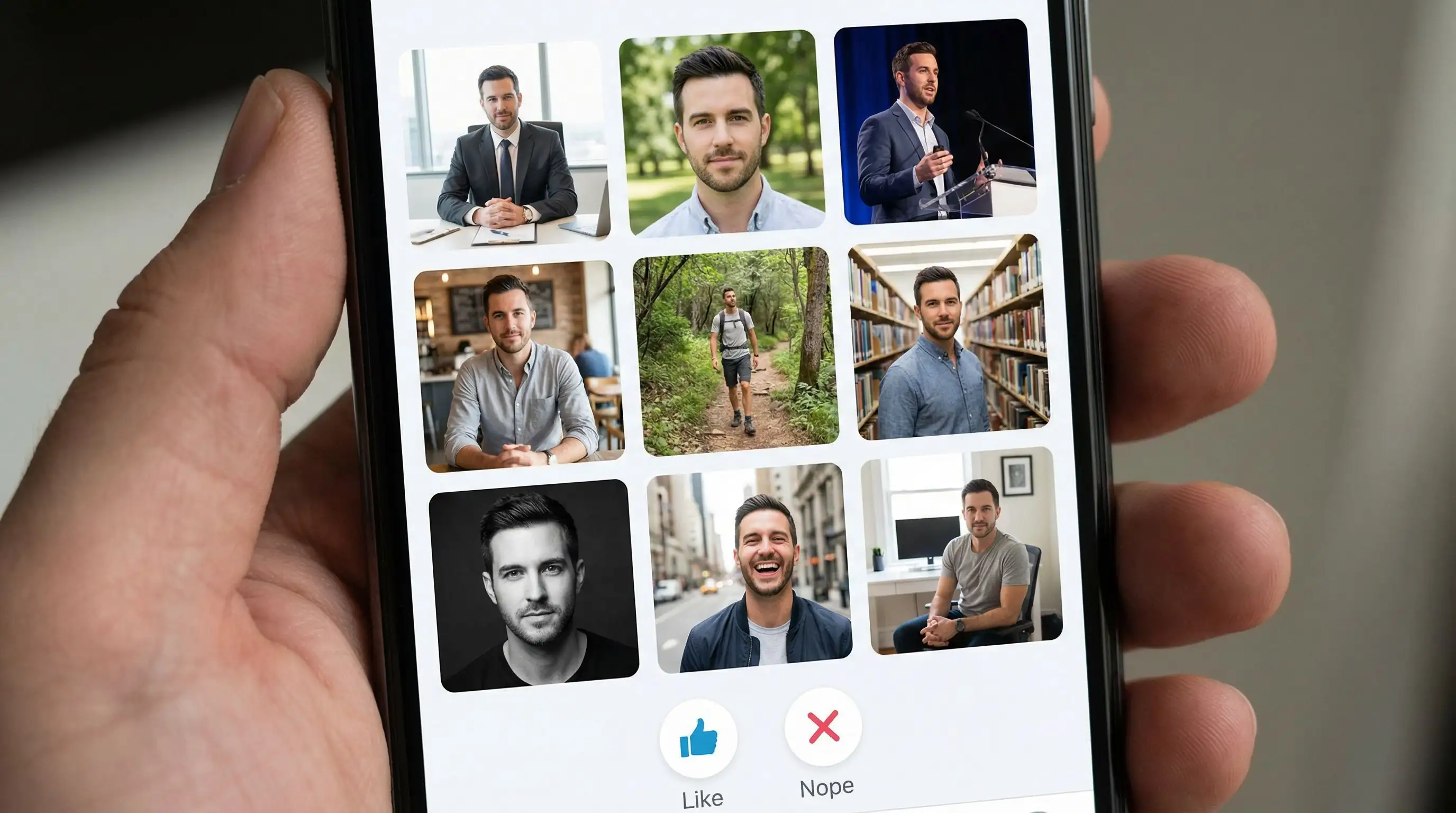
Platform Acceptance: Generic AI photos get flagged on Tinder, removed from Hinge, and shadowbanned on Bumble. Personalized AI photos pass platform checks because they keep the authentic facial consistency and natural imperfections that algorithms expect in real photos.
Long-term Value: Generic AI photos become outdated quickly as apps update detection. Personalized models can be regenerated with different styles and settings, which gives you lasting value. Your custom-trained model stays useful for years and adapts to new photo styles as trends change.
Transform Your Dating Profile Today
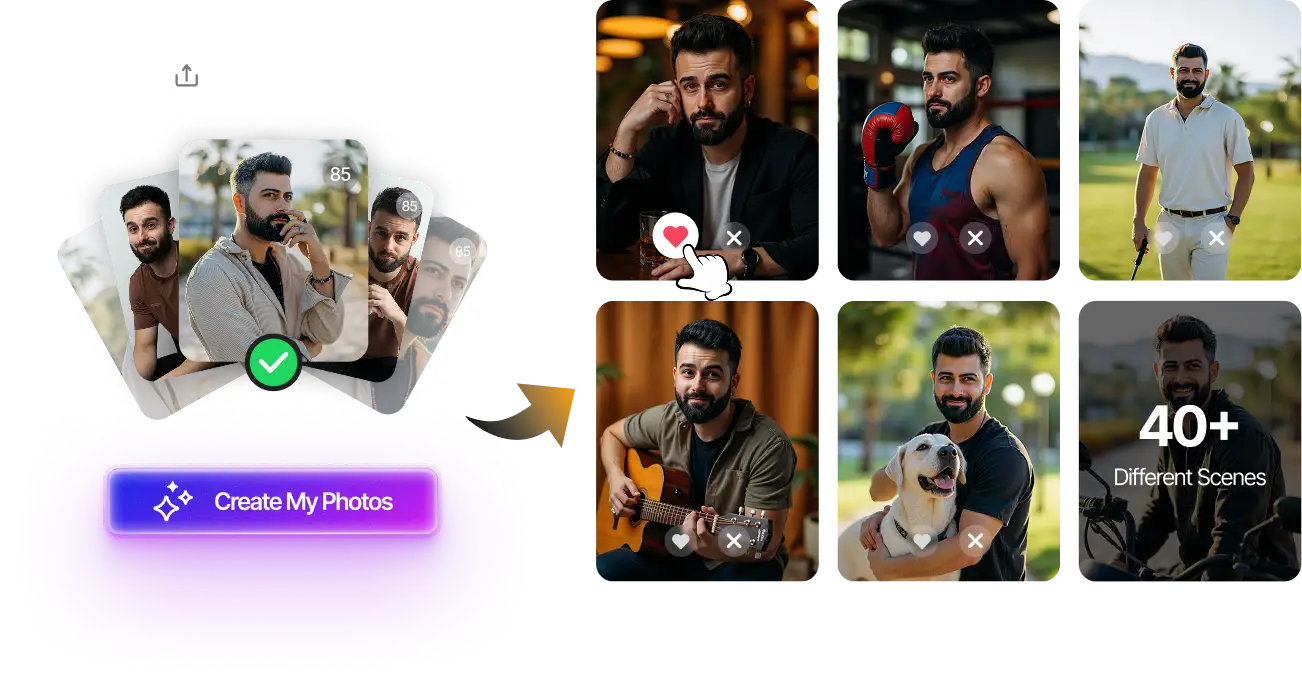
Upload your selfies, get 80-180 AI-optimized dating photos in just 20 minutes. No photoshoot needed.
100+ unique photos • Privacy-first • One-time payment
Get Started Now →Why Custom AI Training Gets More Matches
Authenticity drives matches. When your photos genuinely look like you, not an AI-generated version of someone vaguely similar, potential matches trust what they see. That trust translates directly into right swipes and real conversations.
Personalized AI photos capture your unique features while presenting them in the best possible light. Your actual smile, your real eye color, your authentic facial structure, all improved with professional lighting, composition, and settings. This combination of authenticity and quality is impossible to achieve with generic AI or amateur selfies.
Consistency builds credibility. When all your photos show the same person from different angles and in different settings, viewers recognize the authenticity. Generic AI breaks this consistency, raising red flags that make people swipe left even if they can't explain why something feels off.
The data backs this up: users with personalized AI photos see 3x higher match rates compared to generic AI, and 5x higher rates compared to basic selfies. The difference is the combination of professional presentation and authentic representation. You look like your best self, not someone else's fantasy.
Custom training also works for your specific dating goals. Whether you need professional headshots for Hinge, casual outdoor photos for Bumble, or lifestyle shots for Tinder, personalized AI can generate appropriate styles while keeping your recognizable features. Generic AI can't make these nuanced adjustments without losing what little accuracy it had.
How to Get Started with Personalized AI Photos
Step 1: Prepare Quality Input Photos
Take 10-20 selfies showing different angles (front, side, 3/4 view), expressions (smiling, neutral, serious), and lighting conditions. Use your phone's back camera for better quality. Avoid filters, heavy makeup, or sunglasses that hide your features.
Step 2: Choose a Personalized AI Service
Select platforms that explicitly use LoRA fine-tuning or custom model training. Look for services that process photos locally, offer privacy guarantees, and show before/after examples of facial consistency. Avoid services that claim "instant results" or don't explain their training process. These are generic AI with marketing spin.
Step 3: Upload and Wait for Training
Upload your input photos and wait for model training to complete, typically 15-25 minutes. This training time lets the AI learn your facial features. If a service generates photos instantly, it's not doing personalized training.
Step 4: Review and Select Photos
You'll receive 80-180+ generated photos across different styles and settings. Review them for photos that genuinely look like you while showing your best angles. Quality platforms let you regenerate specific styles if needed.
Step 5: Verify Detection Safety
Before uploading to dating apps, run selected photos through a realness score analyzer to check they'll pass platform detection. Aim for scores above 85 for maximum safety.
Step 6: Strategic Profile Building
Use your personalized AI photos strategically. Mix them with high-quality real photos for maximum authenticity. Different platforms have different cultures: Hinge users typically blend 2-3 AI photos with real ones, while Tinder allows more flexibility. Never use only AI photos across your entire profile.
Final Thoughts
The gap between generic and personalized AI photos isn't only technical. It's the difference between photos that work and photos that get you banned or ignored. Personalized LoRA training creates photos that genuinely represent you while delivering the professional quality that drives matches.
Investment in custom AI training pays off. While generic services might cost $5-10 for forgettable results, personalized training at $29-49 delivers photos you'll use for months or years. More importantly, you get photos that actually look like you, which means in-person meetups match expectations. That's the whole point of authentic dating.
Ready to see the difference yourself? Try DatePhotos.AI's personalized AI photo generator with advanced Flux LoRA training, or explore the complete comparison between AI photos and professional photography to understand your options.
Get Personalized AI Photos in 20 Minutes
Custom LoRA training on your facial features. 80-180 unique photos. Works on all dating apps.
One-time payment • Privacy-first • Undetectable quality
Start Your Training Now →FAQ
Can dating apps detect personalized AI photos?
High-quality personalized AI photos using LoRA fine-tuning are virtually undetectable because they create unique patterns specific to your custom model rather than generic algorithmic fingerprints. However, photos still need proper quality. Avoid obvious AI artifacts and verify with realness score tools before uploading.
How long does personalized AI training take?
Personalized LoRA training typically takes 15-25 minutes after you upload input photos. This training time lets the AI learn your specific facial features. Any service claiming instant results is using generic AI, not true personalized training.
Why are personalized AI photos more expensive?
Personalized AI requires custom model training for each user, which demands significant computational resources and processing time. Generic AI uses one shared model for everyone, making it cheaper but far less accurate. The price difference ($29-49 vs $5-10) reflects the quality gap. Personalized training delivers photos that genuinely look like you.
What's the difference between LoRA and regular AI generation?
LoRA (Low-Rank Adaptation) fine-tunes AI models specifically on your facial features, creating a custom model layer that stays consistent across all generated photos. Regular AI generation uses generic models that haven't learned your specific appearance, resulting in inconsistent features and photos that don't truly look like you.
How many input photos do I need for good personalized AI results?
You need 10-20 quality selfies showing different angles, expressions, and lighting conditions for the best personalized AI training. More variety helps the AI learn your facial features accurately. Avoid filtered photos, sunglasses, or heavy makeup. The AI needs to see your natural features clearly.