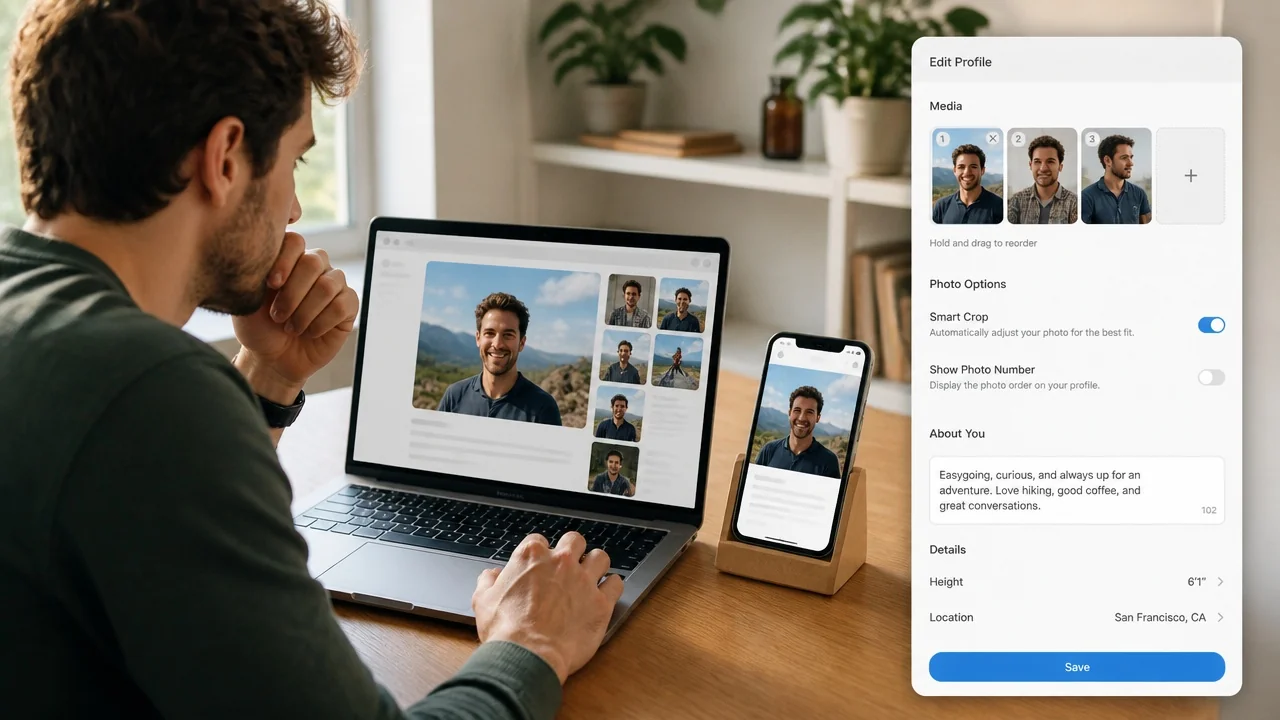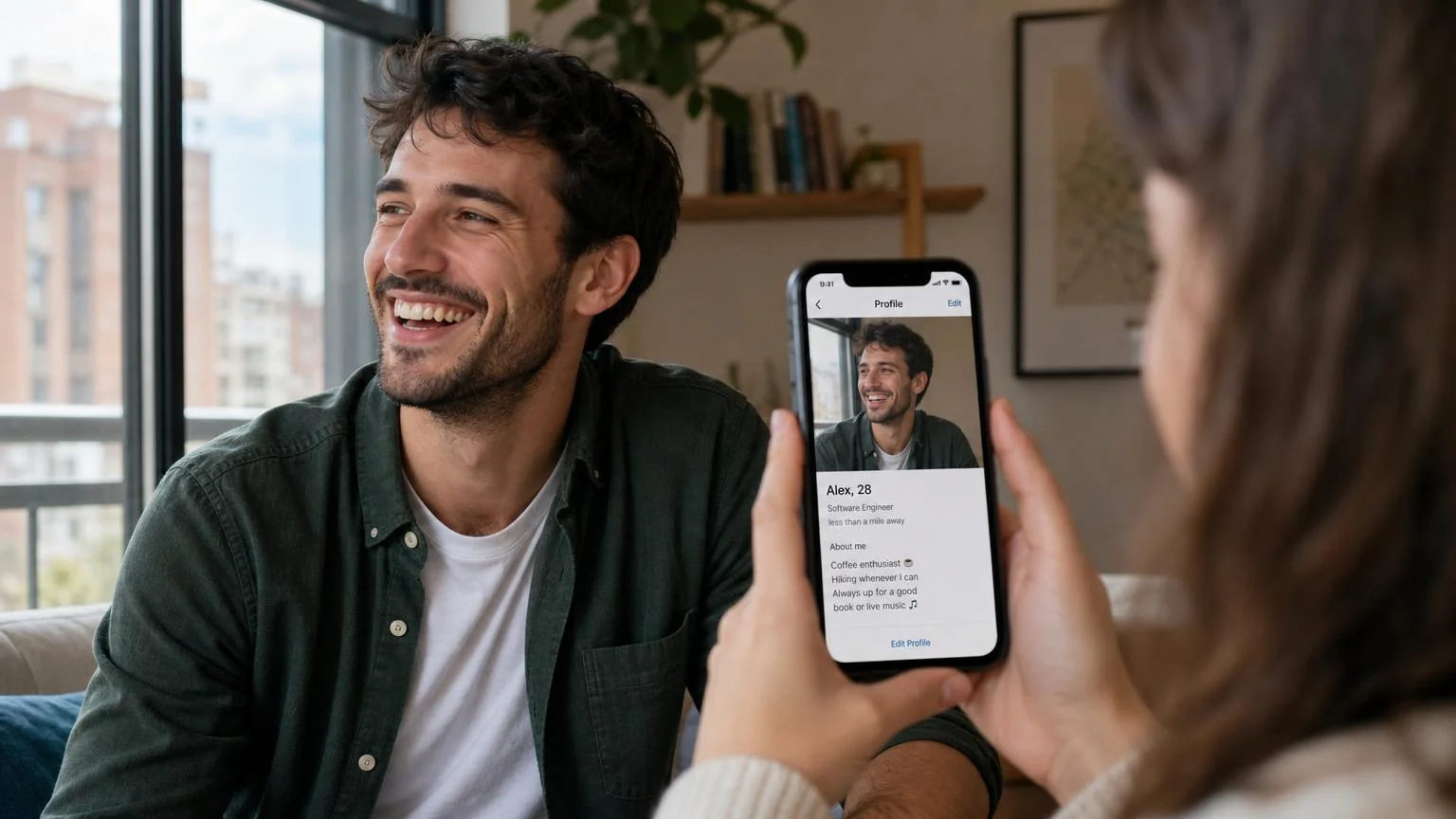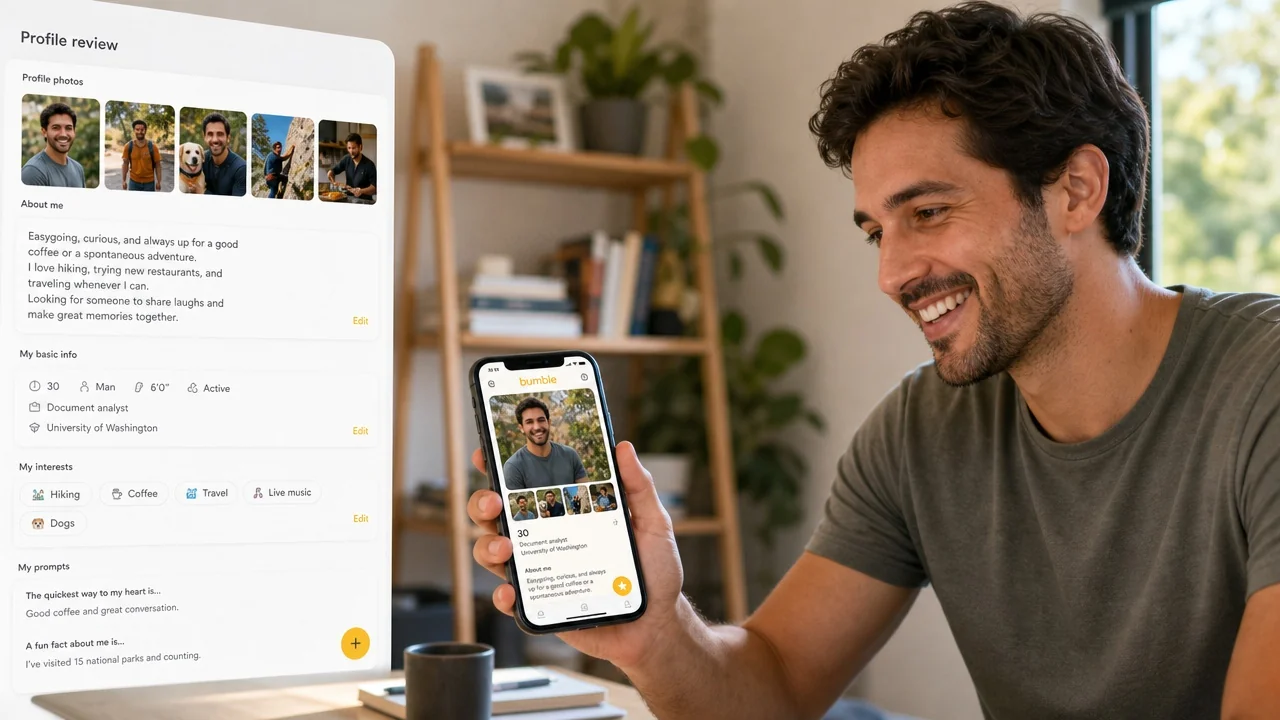
AI-Native Dating Profiles: How to Keep Your Photos Honest in 2026
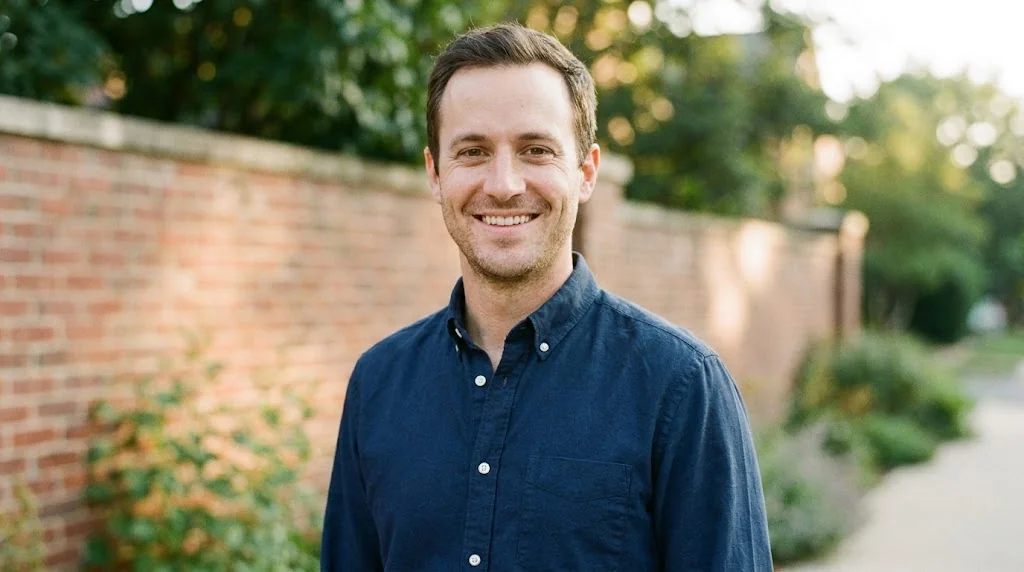
By 2026, major dating apps are no longer treating AI as fringe. Tinder's official Photo Selector announcement is a clear signal: users are now making profile-photo decisions in an AI-shaped environment.
That shift creates a new problem for everyone playing the game honestly. If AI-assisted photos are becoming normal, how do you stand out without looking fake? And more practically, how do you use AI to look your best without crossing the line into misrepresentation that tanks your first date before it starts?
This guide breaks down exactly how to build an AI-native dating profile that stays honest, accounts for platform review signals, and actually converts to real conversations.
Key Takeaways
- AI photos are now the baseline — authenticity in 2026 means using AI well, not avoiding it entirely.
- Realness score matters — apps like Tinder and Bumble use automated signals to flag photos that look artificially generated.
- Honest AI means accuracy — your AI photos should look like the best version of you, not a different person.
- Photo mix strategy — combining AI-optimized photos with casual real shots is the most trusted approach in 2026.
What "AI-Native" Actually Means in 2026
A year ago, "AI dating photo" meant something exotic, a niche tech experiment. Today it just means a good photo. The tools have matured enough that the output from a quality AI photo generator looks like a professional shoot, and in many cases more flattering than either.
But "AI-native" doesn't mean fake. It means AI is woven into the production of your photos the same way Lightroom presets were woven into Instagram culture five years ago. Nobody called a well-edited VSCO photo "dishonest." The question was always: does the edit still look like you?
This isn't only a Tinder shift. TechCrunch has also covered Hinge's AI profile feedback, which shows how dating apps are bringing AI into profile quality and self-presentation.
Bumble is moving in the same direction with reported AI photo feedback tools. The point is not that every app has the same policy. It's that AI is now part of the profile-building layer.
That's the right framing for 2026. The apps have shifted their approach too. AI now helps users choose or assess photos, while the trust problem still comes down to whether the image accurately represents the person behind the profile. The new rules, as explored in the complete breakdown of what changed on Tinder, Bumble, and Hinge in 2026, focus on intent and accuracy rather than the generation method itself.
The distinction that matters: AI that flatters is acceptable. AI that fabricates is not.
The Honesty Problem With AI Photos (And How to Solve It)
Let's name the real fear most guys have when they start using AI dating photos: "What happens when she shows up and I look nothing like my profile?"
It's a valid concern, and it's the single biggest trust-killer in AI-assisted dating. The fix isn't to avoid AI. It's to use it with accuracy as the core constraint.
Three rules for honest AI photos:
- Same face, better light. Your AI photos should preserve your actual facial features: the shape of your jaw, your eye color, your smile. The AI should improve the photography (lighting, composition, background) not reshape your face.
- Body proportions must match reality. Nothing creates more first-date awkwardness than showing up with a noticeably different build than your photos suggest. Good AI photo tools trained on your own selfies will preserve your actual build.
- Keep at least two unedited casual shots in your lineup. A candid photo from a weekend hike or a genuine laughing moment grounds your profile in reality. It tells matches that your polished AI photos are a best-case version of the same guy in the casual shots, not two different people.
This combination, honest AI-optimized photos anchored by genuine casual shots, is what we call the trust stack. It works because it gives potential matches the full picture: your best self, confirmed by your real self.
Check If Your Photos Pass the Authenticity Test
Use our free AI Realness Score Analyzer to see how your current photos score on naturalness and whether they might trigger platform detection systems.
Free analysis • Instant results • No signup required
Analyze Your Photos Free →What Dating Platforms Actually Flag in 2026
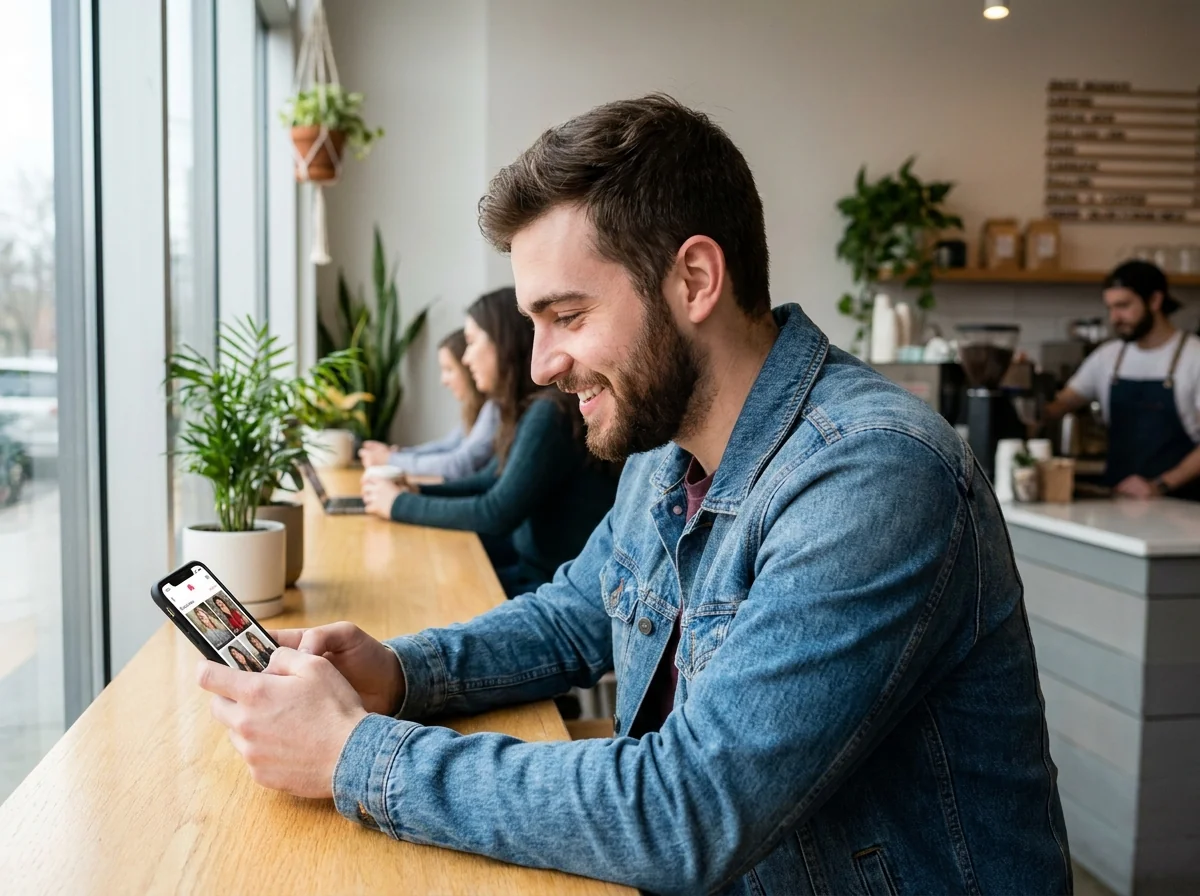
Understanding how detection works helps you avoid the pitfalls. The goal isn't to game the system, but to know which legitimate AI photos are safe and which will raise flags.
Platform detection in 2026 looks at a cluster of signals, not a single AI watermark. The main triggers include:
- Lighting inconsistencies — AI-generated photos often have light sources that don't match across photos in the same set, or lighting that feels too perfect relative to the supposed environment.
- Background artifacts — blurred backgrounds with strange edge-blending around hair or ears are a common tell, especially from lower-tier generators.
- Texture uniformity — real skin has texture variation; heavily processed AI photos sometimes produce skin that looks too smooth or waxy.
- Metadata patterns — some platforms now check EXIF data; photos with no camera metadata or identical metadata patterns across very different-looking shots can trigger review.
- Cross-photo face consistency — detection systems compare facial geometry across all uploaded photos. Significant variation (which happens when AI generates faces rather than transforming real ones) scores high-risk.
The key insight: photos generated from your actual selfies, where a model is trained specifically on your face, avoid most of these flags because the face geometry stays consistent. Generic AI headshots where a face is invented from scratch fail nearly every cross-photo consistency check.
If you want a data-backed read on where your current photos stand, use our free Realness Score Analyzer to get an instant authenticity assessment before you upload anything new.
Building Your 2026 Photo Lineup
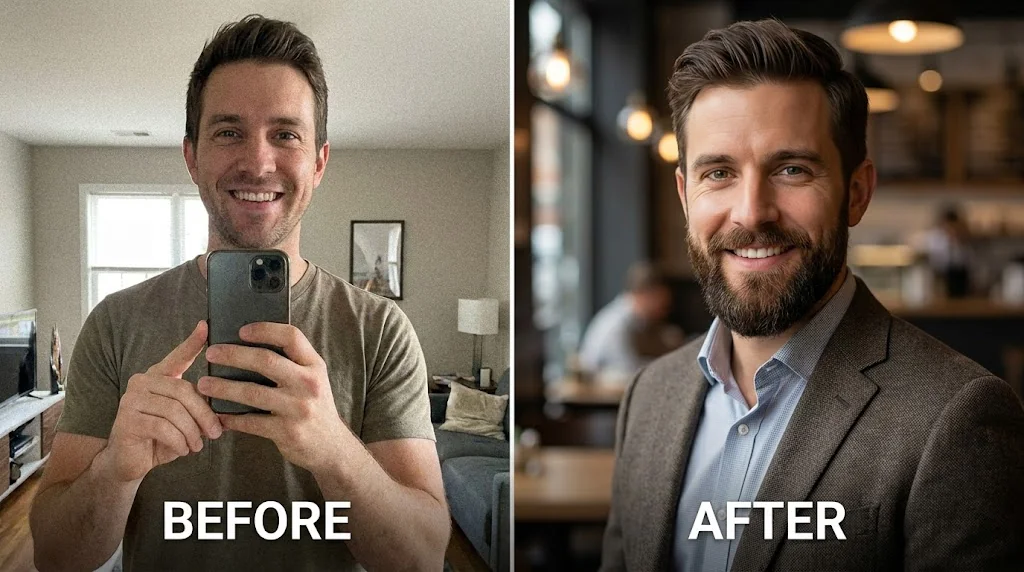
A strong AI-native profile in 2026 doesn't mean every photo is AI-generated. It means your photos are strategically composed across a range from polished to candid.
Here's a proven six-photo structure:
| Photo Slot | Type | Purpose |
|---|---|---|
| 1st (Lead) | AI-optimized headshot | First impression, maximum impact |
| 2nd | AI full-body or lifestyle | Show physique, context, style |
| 3rd | Real candid photo | Build trust, confirm authenticity |
| 4th | AI activity/interest photo | Personality and conversation hooks |
| 5th | Real group or social photo | Social proof, non-loner signal |
| 6th | AI or real — smiling close-up | Warmth, approachability, close |
This structure follows a rhythm that feels natural to anyone scrolling your profile: polished opener, confirmation of physique, reality check, personality layer, social proof, warm close. The AI photos set the quality; the real photos confirm the authenticity.
It's also worth reading about why AI photos can actually be more authentic than your selfies. The research behind that argument is worth understanding if you're still on the fence about committing to AI-optimized photos.
Step-by-Step: Creating an Honest AI Dating Profile
Step 1: Audit your current photos. Before generating anything new, take stock of what you have. Which photos actually look like you on a good day? Which ones are flattering but still accurate? These become your reference anchors.
Step 2: Upload high-quality selfies for AI training. The best AI photo services train a personalized model on 10-20 of your real photos. This is the critical difference between photos that look like a better you versus photos that look like someone else. Use diverse angles, expressions, and lighting in your input photos.
Step 3: Generate across multiple contexts. Don't generate 10 nearly identical headshots. Use the tool to create variety: outdoors, casual indoor, semi-formal, active. Variety across contexts is what makes a profile feel full and real, not repetitive.
Step 4: Check your realness score before uploading. Run your generated photos through a detection check before uploading to any platform. This catches lighting artifacts, skin texture issues, or background problems you might not notice with the naked eye, and saves you from a photo getting flagged after upload.
Step 5: Mix in real photos strategically. Select 2-3 genuine candid shots to anchor your lineup (photo slots 3 and 5 in the structure above). These don't need to be professionally lit. In fact, slightly imperfect real photos strengthen the authenticity signal of your AI-polished ones.
Step 6: Match your bio to your photos. If your AI photos show you in an outdoor setting, your bio should reference that you actually enjoy the outdoors. When photos and bio don't match, it's a subtle trust-breaker that many guys miss.
Pro Tips for Maximum Authenticity
- Vary your expression across photos. A profile where every photo has the same exact smile starts to feel artificial even if the photos themselves are technically fine. Real people have moods.
- Use AI for settings you can't easily shoot yourself. You don't have a photographer friend who can get a great shot of you at golden hour. AI can fill that gap. Use it for the contexts that are genuinely hard to capture authentically.
- Don't over-smooth. Request photos that preserve natural skin texture. A slight crinkle around the eyes when you smile is a trust signal, not a flaw to remove.
- Check consistency across your full set. After generating, look at all six photos side by side. Does the same person look back at you from every photo? If the face geometry shifts noticeably between shots, regenerate the outliers.
See How Your Photos Score on Realness
Our free AI Realness Score Analyzer checks your dating photos against the same signals that platform detection systems use — so you know exactly what you're uploading.
Free analysis • Instant results • No signup required
Analyze Your Photos Free →Common Mistakes to Avoid
- Using a generic AI headshot service that doesn't train on your face. These produce photos of a plausible-looking stranger. They fail cross-photo consistency checks and they set up a disastrous first-date moment.
- Going all-AI with zero real photos. Even if every photo is technically authentic, an all-AI lineup reads as suspicious to human matches even if it passes automated detection.
- Using the most dramatically enhanced version of every photo. Generating 80+ photos and picking the 6 where you look most dramatically different from your everyday self is exactly the misrepresentation problem. Pick the photos that look like you on a great day, not on a different timeline.
- Ignoring background realism. An AI photo that puts you at a rooftop bar you've never been to isn't inherently dishonest, but if a match asks about it and you draw a blank, it breaks trust. Use backgrounds that fit your actual lifestyle.
- Skipping the detection check. Uploading photos without checking their realness score is like submitting a job application without proofreading. One flagged photo can affect your whole profile's standing on the platform.
Final Thoughts
AI dating profile photos in 2026 aren't a cheat code. They're a production tool. Used correctly, they help you present the best and most accurate version of yourself with a consistency that casual selfies never could. The goal was never to look perfect. It was always to look like you, when the light is right and you're actually having a good day.
Keeping your AI dating profile photos honest comes down to one test: would your match recognize you immediately when you walk into the coffee shop? If yes, you're using AI the right way. If there's any doubt, dial back the enhancement and run your photos through a realness check before they go live.
Ready to build a profile that's both polished and trustworthy? Start with one realness check so you know what to fix, then use the final CTA below to generate a full set of personalized, high-realness AI photos trained on your actual face.
Transform Your Dating Profile Today
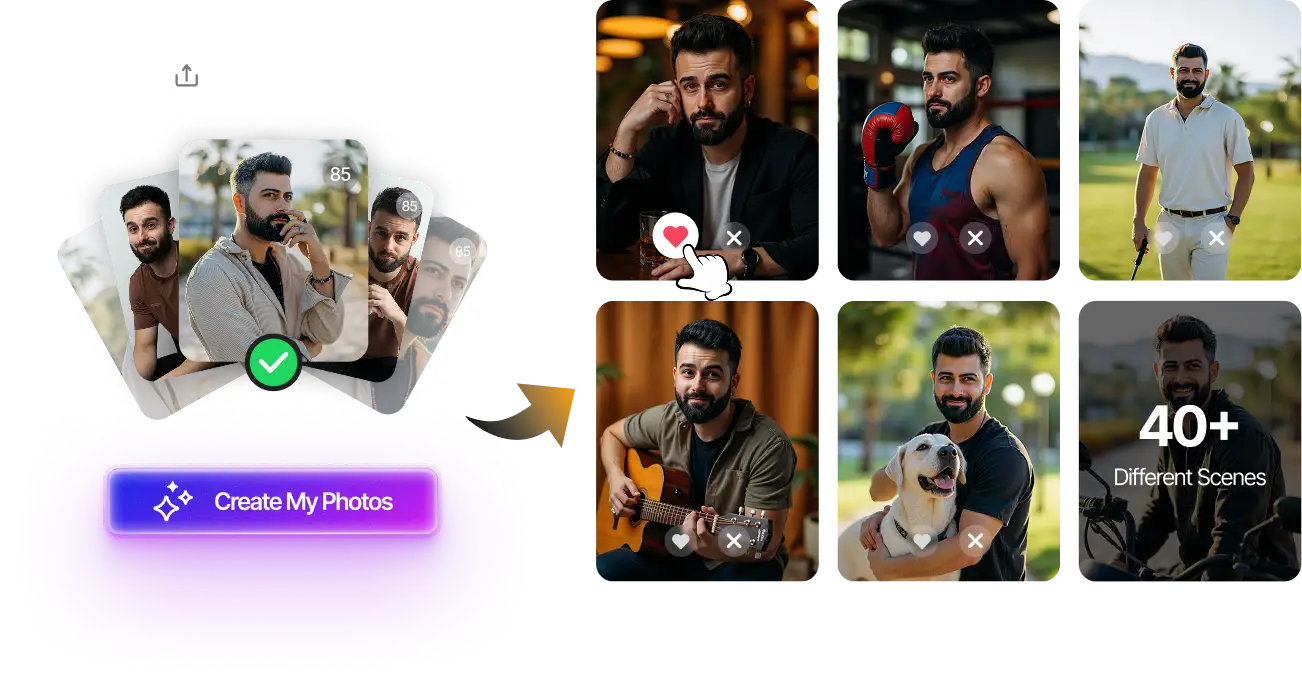
Upload your selfies, get 80-180 AI-optimized dating photos in just 20 minutes. Trained on your face, built for your best first impression.
100+ unique photos • Privacy-first • One-time payment
Get Started Now →FAQ
Are AI dating photos considered dishonest in 2026?
Not inherently. Most major platforms now allow AI-enhanced photos as long as they accurately represent your appearance. The key distinction is between enhancement (acceptable) and fabrication (not acceptable). Photos that look like a better version of you are fine; photos that look like a completely different person are not.
How do I know if my AI photos will get flagged by Tinder or Bumble?
The clearest way is to run them through an authenticity check before uploading. Our free Realness Score Analyzer evaluates the same signals that platform detection systems use: lighting consistency, skin texture, background realism, and cross-photo face consistency. A score above 80 generally indicates low detection risk.
How many real photos do I need alongside AI photos?
A minimum of two genuine candid shots is recommended for a six-photo lineup. These don't need to be polished. A slightly imperfect real photo actually reinforces the credibility of your AI-optimized ones by confirming you're a real person.
What makes an AI dating photo "honest"?
An honest AI photo preserves your actual facial geometry, body proportions, and general appearance. It improves the photography, lighting, background, and composition, without reshaping you. If your match would recognize you immediately in person from the photo, it's honest.
Is it better to use a personalized AI photo service or a generic one?
Personalized services that train a model on your specific selfies are significantly better for both authenticity and detection safety. Generic services generate a plausible-looking face that may not match yours, which fails cross-photo consistency checks and creates a first-date mismatch. Always choose a service that trains on your actual photos.