#bumble#ai photos#dating profile#bumble photos#ai dating photos#profile pictures#bumble tips#dating apps
Does Bumble Use AI? Photo Rules & What Gets Flagged (2026)
By Jacob, Founder of DatePhotos.AI··Published November 28, 2025·10 min read
Short answer: Bumble does use automated systems, verification signals, user reports, and manual review to keep profiles authentic. Its public rules focus on inauthentic or misleading profiles, not a blanket ban on AI-assisted dating photos.
If your Bumble AI photos still look like a recent, recognizable version of you, they are much safer than fake identity shots, heavy body edits, celebrity lookalikes, or fantasy scenes. This guide answers the high-intent questions people search for: does Bumble use AI, what Bumble photo requirements matter, which Bumble photo guidelines affect AI images, and how to build a profile that feels trustworthy.
Already have decent photos but weak prompts or bio? Run the free AI dating profile optimizer before changing every photo on Bumble.
Key Takeaways
Bumble reviews for authenticity: assume automated checks, verification signals, user reports, and manual moderation can all affect risky photos
AI photos are lower risk when they are representative: keep your real face, age, body type, and lifestyle believable
Photo requirements still matter: clear face, current appearance, no misleading edits, no fake identity cues
A blended profile works best: use AI-assisted photos with real candid shots so your profile does not look synthetic
Fix the whole profile: photos create first trust, but your bio and first-message hooks still determine whether matches reply
Why Bumble Is Different from Other Dating Apps
Bumble's positioning as a women-first platform makes photo authenticity especially important. A profile that looks current, recognizable, and consistent is less likely to create trust issues with matches or reviews.
Photo Signals Bumble Users Should Take Seriously
Bumble does not publish a full photo ranking formula, but these visible signals matter for trust and match quality:
Facial clarity: use clear, well-lit face photos
Photo variety: show more than one setting or activity
Authenticity signals: keep backgrounds and lighting believable
Engagement cues: photos that start better conversations usually support the rest of the profile
This is why AI photos on Bumble need to be conservative. A fake-looking image may not cause a formal penalty, but it can make the whole profile feel less trustworthy.
Make Your Bumble Photos Feel More Believable
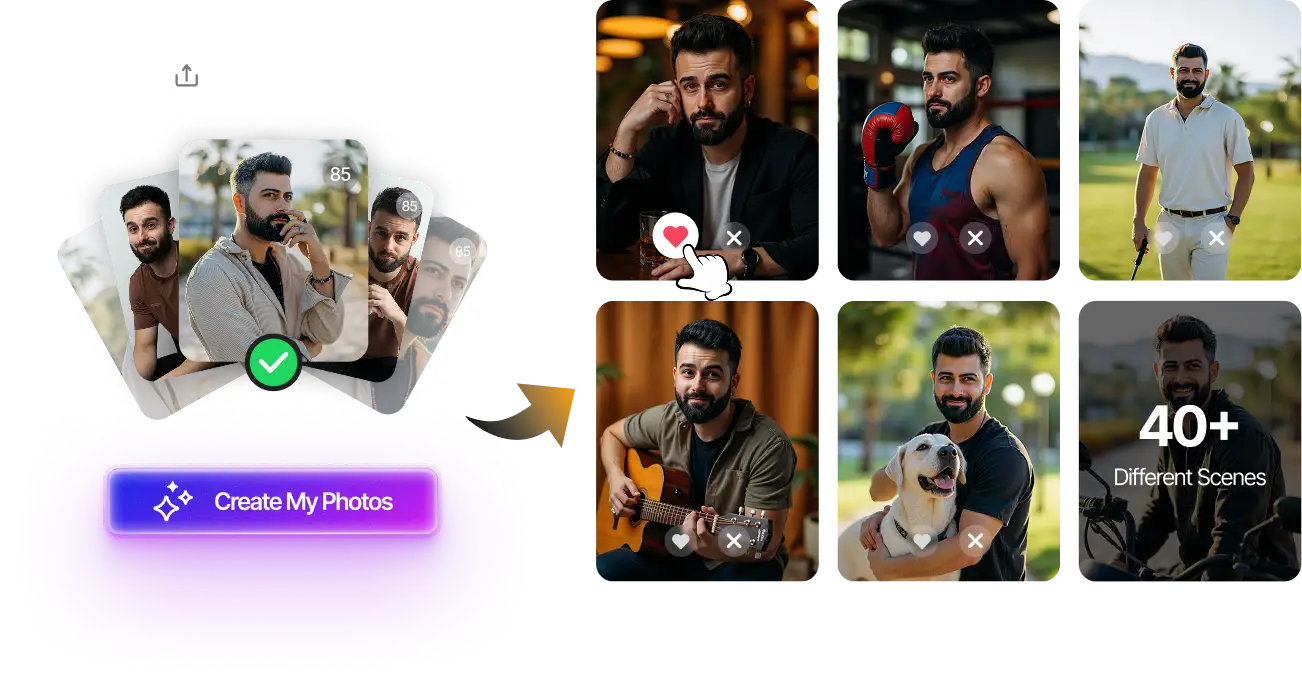
Upload a few selfies and get realistic Bumble photo options in about 20 minutes. No studio shoot needed.
If your Bumble likes disappeared after a photo update, compare the symptoms against our Bumble shadowban signs and fixes before assuming the AI photo itself is the only issue.
Does Bumble Use AI? Bumble AI Photo Rules in 2026
Short answer: Bumble does not publish every ranking or moderation signal, but users should expect photo verification, automated safety systems, reports, and human review to work together. Bumble's public inauthentic profile guidelines focus on whether a profile misleads people about who you are.
That means the important question is not "was this image made with AI?" The important question is whether the photo accurately represents you. A realistic AI-assisted photo trained on your own selfies is a very different risk profile from a fake lifestyle scene, changed body shape, or image that makes you look like a different person.
Bumble photo requirements to protect:
Your face should be clearly visible in your strongest photos
Your photos should look recent and consistent with your current appearance
Editing should not change your age, body type, facial structure, or identity
Do not use stock-photo-looking scenes, celebrity lookalikes, or obviously synthetic backgrounds
Keep at least a few real photos in the profile so verification and user trust line up
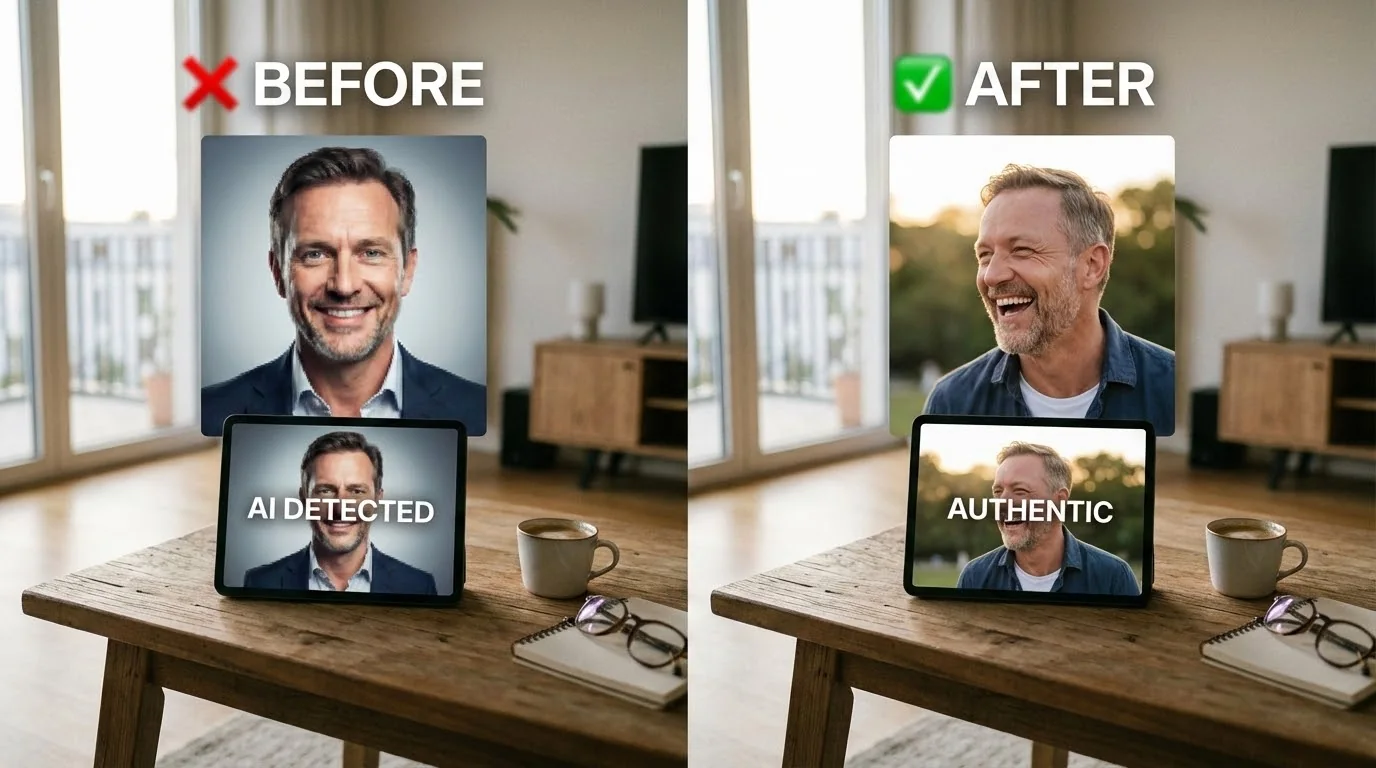
What Bumble AI photos usually get wrong: over-smoothed skin, identical lighting across every image, strange hands, warped jewelry, fantasy locations, and a profile where every shot looks like the same studio session. These signals do not just create moderation risk; they also make real people hesitate before swiping or messaging.
A Safer AI Photo Mix for Bumble
A safer working mix is simple: use AI-assisted shots for polish, then keep enough real photos to prove the profile is still you.
The 60/40 Rule
Your Bumble profile should include:
3-4 AI-generated photos (60%): High-quality, realistic shots that show you at your best
2-3 real photos (40%): Authentic selfies or candid shots that match your AI photos
This mix keeps the profile polished without making every image look like the same generated shoot. The real photos give matches a quick reality check.
Photo Slot Order
Position matters on Bumble. A practical order is:
Slot 1 (Primary): Best AI photo - clear face, natural smile, good lighting
Slot 2: Real photo - casual but clear
Slot 3: AI photo - full body or activity shot
Slot 4: AI photo - lifestyle or hobby context
Slot 5: Real photo - social or fun moment
Slot 6: AI photo - professional or dressed up
This sequence establishes visual appeal immediately while building trust through variety and consistency.
AI photos in casual, authentic settings perform best on Bumble
Create Bumble-Ready AI Photos
Create Bumble photo options that look current, recognizable, and consistent with real candid shots.
Recognizable face • Natural scenes • One-time payment
Creating AI photos for Bumble is mostly about restraint. Follow this process:
Step 1: Prepare Your Source Photos
Upload 10-15 selfies that show:
Different angles of your face
Various lighting conditions
Different expressions (smiling, serious, casual)
Clear, high-resolution images
Quality input photos are essential for realistic outputs. Blurry or low-resolution selfies usually create fake-looking details, especially around skin texture, eyes, and hands.
Step 2: Choose Bumble-Appropriate Styles
Focus on contexts that perform well on Bumble:
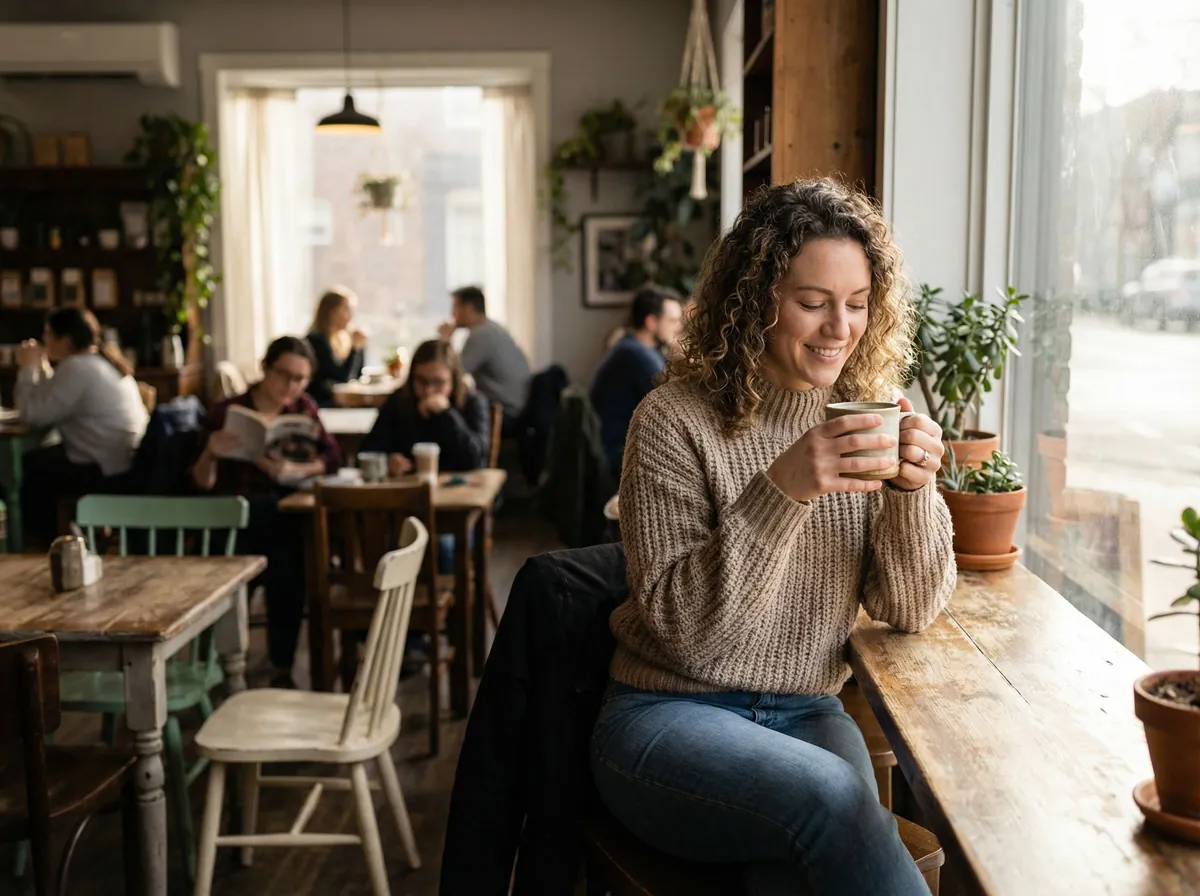
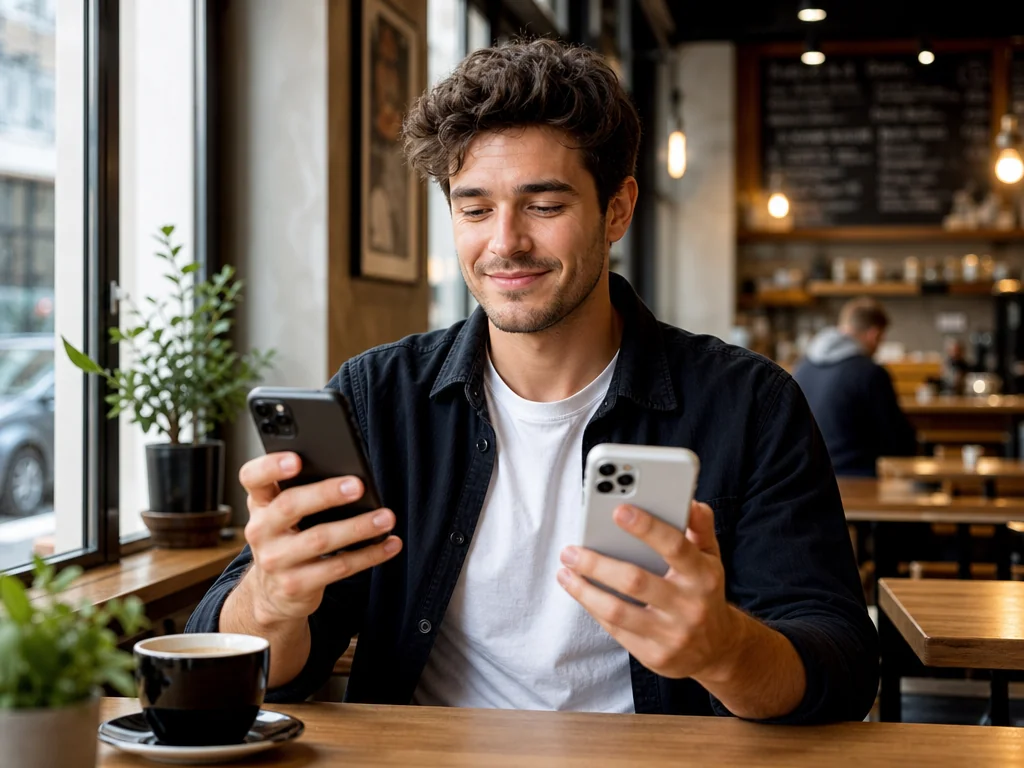
Coffee shop or café settings: Casual, approachable, conversation-friendly
Outdoor activities: Hiking, beach, park - shows active lifestyle
Professional settings: Office, business casual - demonstrates ambition
Social situations: Restaurants, events - shows you're socially engaged
Hobby contexts: Gym, cooking, art - reveals personality
Avoid obviously staged or artificial backgrounds. Bumble users value authenticity, so your AI photos should look like they could have been taken by a friend.
Step 3: Prioritize Realism
When generating your photos, prioritize:
Natural lighting: Soft, diffused light works best
Realistic skin texture: Avoid over-smoothing
Accurate proportions: Hands, facial features should look natural
Contextual consistency: Background should match the activity
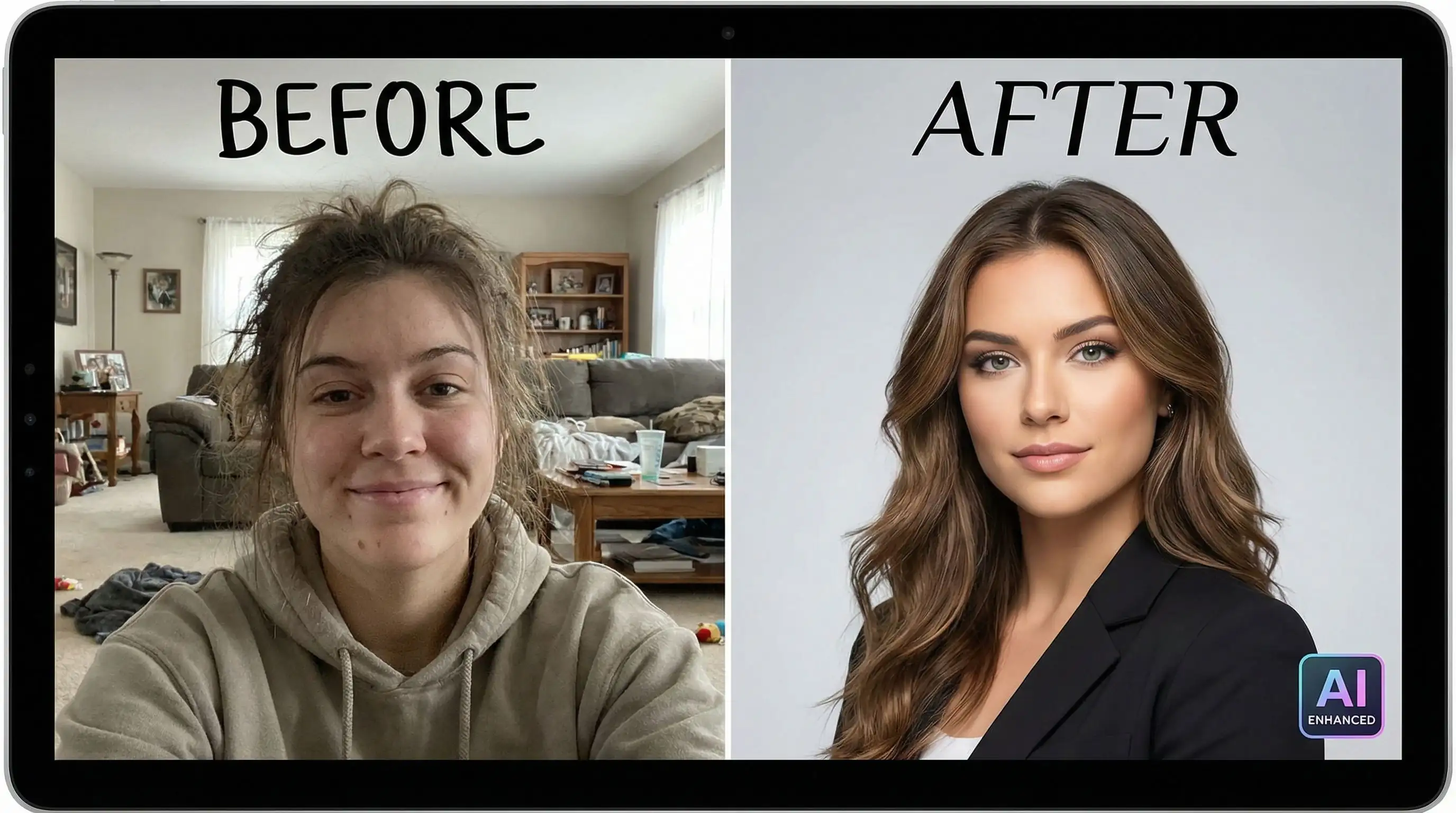
The biggest mistake is making yourself look drastically different from reality. Bumble users will eventually meet you in person, and significant discrepancies between your photos and appearance damage trust. Keep enhancements subtle:
Better lighting and angles: ✅ Good
Professional styling and settings: ✅ Good
Completely different face structure: ❌ Bad
Unrealistic body proportions: ❌ Bad
2. Using Only AI Photos
A profile with 100% AI-generated photos raises red flags. Even if the photos look realistic, the uniformly high quality can seem suspicious. Always include some real photos to maintain authenticity.
3. Ignoring Photo Verification
Bumble offers photo verification with a blue checkmark badge. Many users won't match with unverified profiles, especially if your photos look very polished. You can still get verified with AI photos in your profile—the verification only checks that you're a real person who looks like at least one of your photos.
4. Poor Quality AI Generation
Low-quality AI photos with visible artifacts hurt your profile more than basic selfies. Watch out for:
Distorted hands or fingers
Weird background elements
Unnatural facial features
Inconsistent lighting
Blurry or pixelated areas
Before uploading your AI photos to Bumble, use our free Realness Score Analyzer to check if they look authentic enough. This tool identifies common AI artifacts and helps you avoid low-quality photos that could hurt your profile ranking.
5. Mismatched Photo Styles
Your AI photos should look like they belong to the same person living the same life. Jumping from casual coffee shop to black-tie gala to mountain climbing can seem disjointed. Maintain some stylistic consistency across your photo lineup.
How Bumble Compares to Other Dating Apps
Understanding how Bumble's approach differs from other platforms helps you optimize your strategy:
Bumble vs. Hinge
Hinge has similar guidelines but places even more emphasis on authenticity and "real moments." If you're also using Hinge, read our guide on how to use AI photos on Hinge without getting banned. The key difference: Hinge users expect more candid, unpolished photos, while Bumble users are more receptive to polished, professional-looking shots.
Bumble vs. Tinder
Tinder has been more aggressive in flagging AI photos in 2025, while Bumble takes a softer approach focused on authenticity over technology detection. Both platforms use similar algorithmic ranking systems that reward high-quality, engaging photos.
Best Practices Across Platforms
If you're using multiple dating apps:
Create platform-specific photo sets rather than using identical photos everywhere
Adjust your AI photo ratio based on each platform's culture
Keep some real photos consistent across platforms for verification purposes
Monitor performance separately and optimize for each app
Need Better Bumble Photo Options?
Generate realistic Bumble photo options from your selfies, then choose the shots that still look like you.
Bumble does not disclose every photo review signal, but users should assume automated systems, photo verification, user reports, and manual review can all affect profile trust. The practical rule is to use photos that clearly and accurately represent your real appearance.
Does Bumble ban AI photos?
Bumble does not publish a simple rule that all AI photos are banned. The risk is misleading or inauthentic photos. AI-assisted photos are much safer when they are trained on your own selfies, look current, and do not change your face, age, body type, or lifestyle in a deceptive way.
What are Bumble photo requirements for AI photos?
Use clear face photos, current-looking images, realistic lighting, natural expressions, and believable settings. Avoid heavy retouching, fake identity cues, celebrity-style images, distorted details, and a full profile made only of polished AI shots.
Can I get photo verified on Bumble with AI photos in my profile?
Photo verification is easiest when at least one profile photo clearly matches your real face. If you use AI-assisted photos, keep real photos in the mix and make sure every generated image still looks like the same person who would complete verification.
What percentage of AI photos should I use on Bumble?
A safer Bumble profile usually mixes AI-assisted photos with real photos instead of using 100% generated images. For most users, 2-4 realistic AI photos plus 2-3 real candid or verification-friendly photos creates better trust and still improves visual quality.
What types of AI photos work best on Bumble?
The strongest Bumble AI photos look like believable lifestyle photos: clear face, natural smile, real-world setting, and one visible activity or context. Coffee shops, outdoor walks, travel moments, casual social settings, and clean portraits usually work better than fantasy, luxury, or over-styled scenes.