Realness Score Guide for AI Dating Photos in 2026
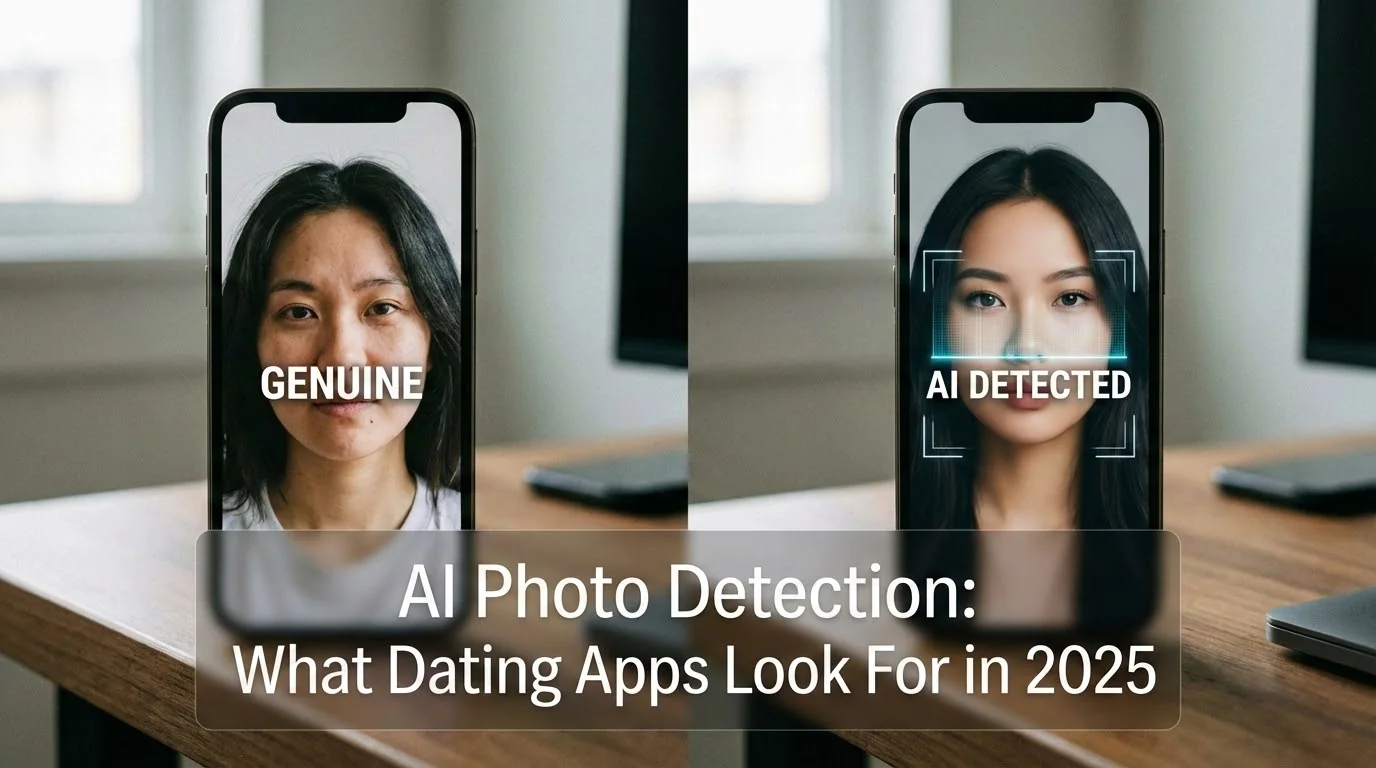
Your dating profile photos can make or break your success on apps like Tinder, Hinge, and Bumble. But there's a hidden score that dating apps use to evaluate your photos: the Realness Score. This metric determines whether your photos look authentic or AI-generated, potentially affecting your visibility and match rate.
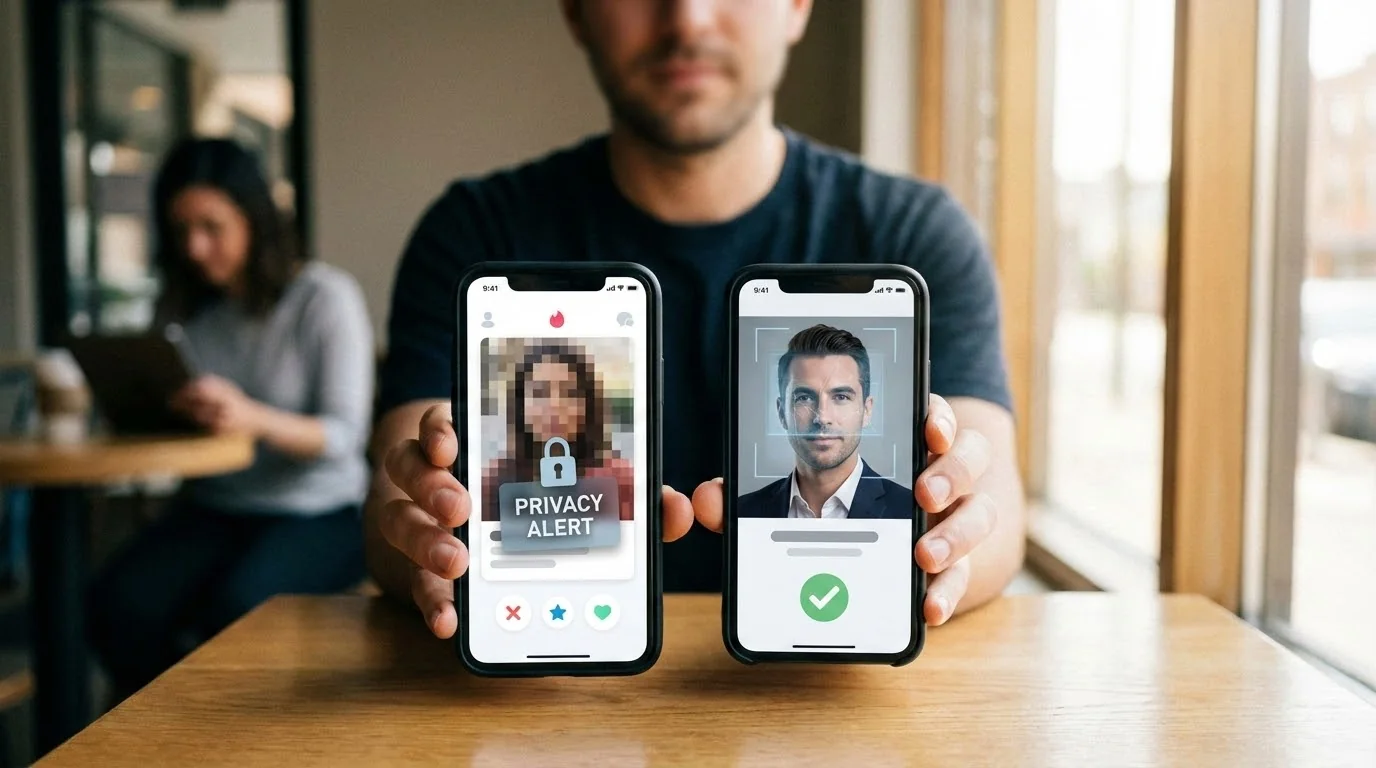
In 2025, dating apps are cracking down on fake, heavily edited, and AI-generated photos. A low Realness Score can trigger shadowbans, reduce your profile visibility, or even get you banned. Optimizing your Realness Score matters for dating app success.
Key Takeaways
- Realness Score measures photo authenticity – Dating apps use AI detection to flag fake or heavily edited photos
- Low scores hurt your visibility – Profiles with suspicious photos get deprioritized in the algorithm
- You can check your score for free – Use our analyzer tool to test photos before uploading
- Simple fixes boost your score – Natural lighting, varied poses, and realistic settings make a huge difference
What is Realness Score?
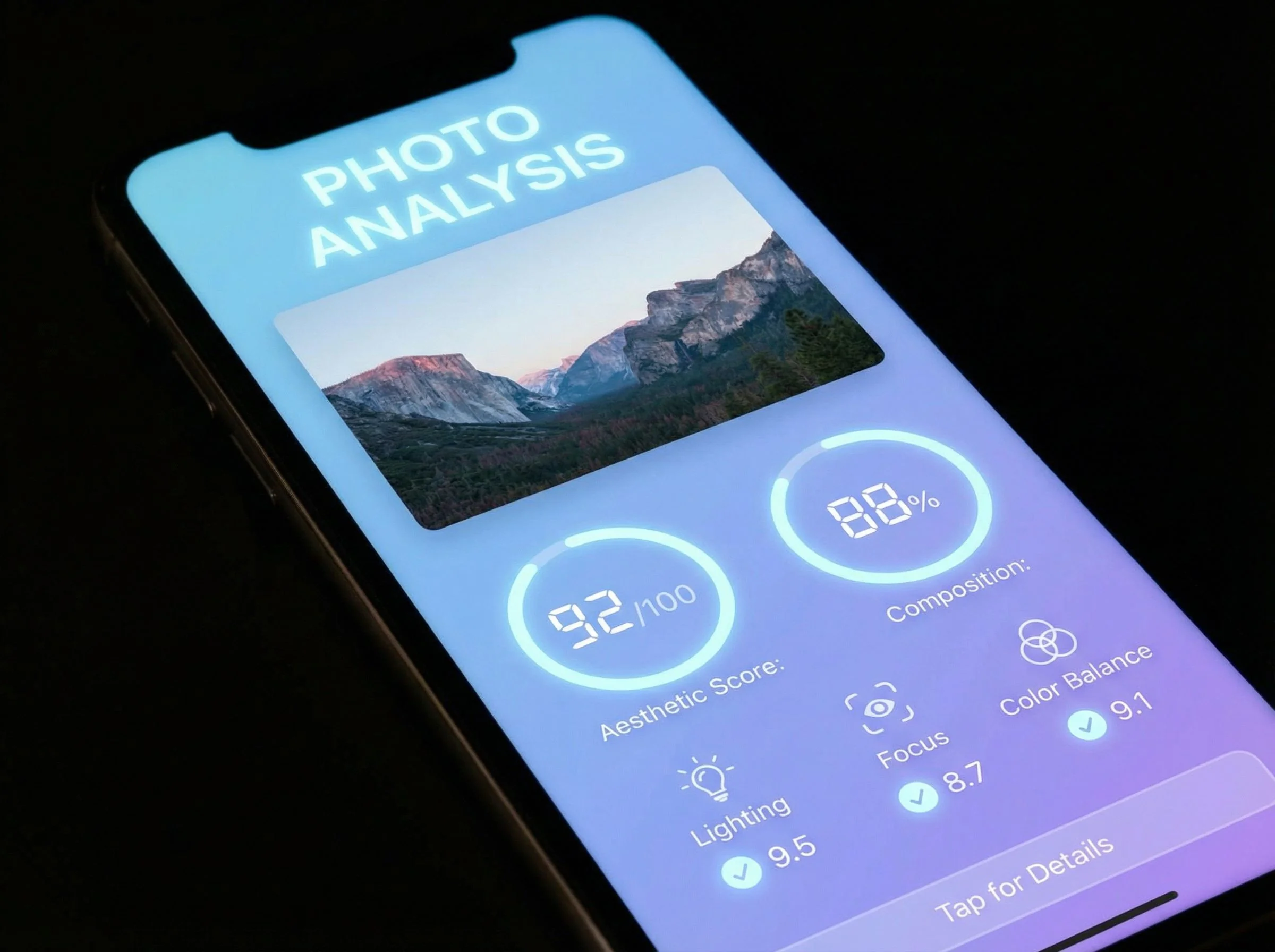
Realness Score measures how authentic and natural your dating photos appear. Dating apps use AI detection systems to analyze photos for signs of manipulation, AI generation, or excessive editing.
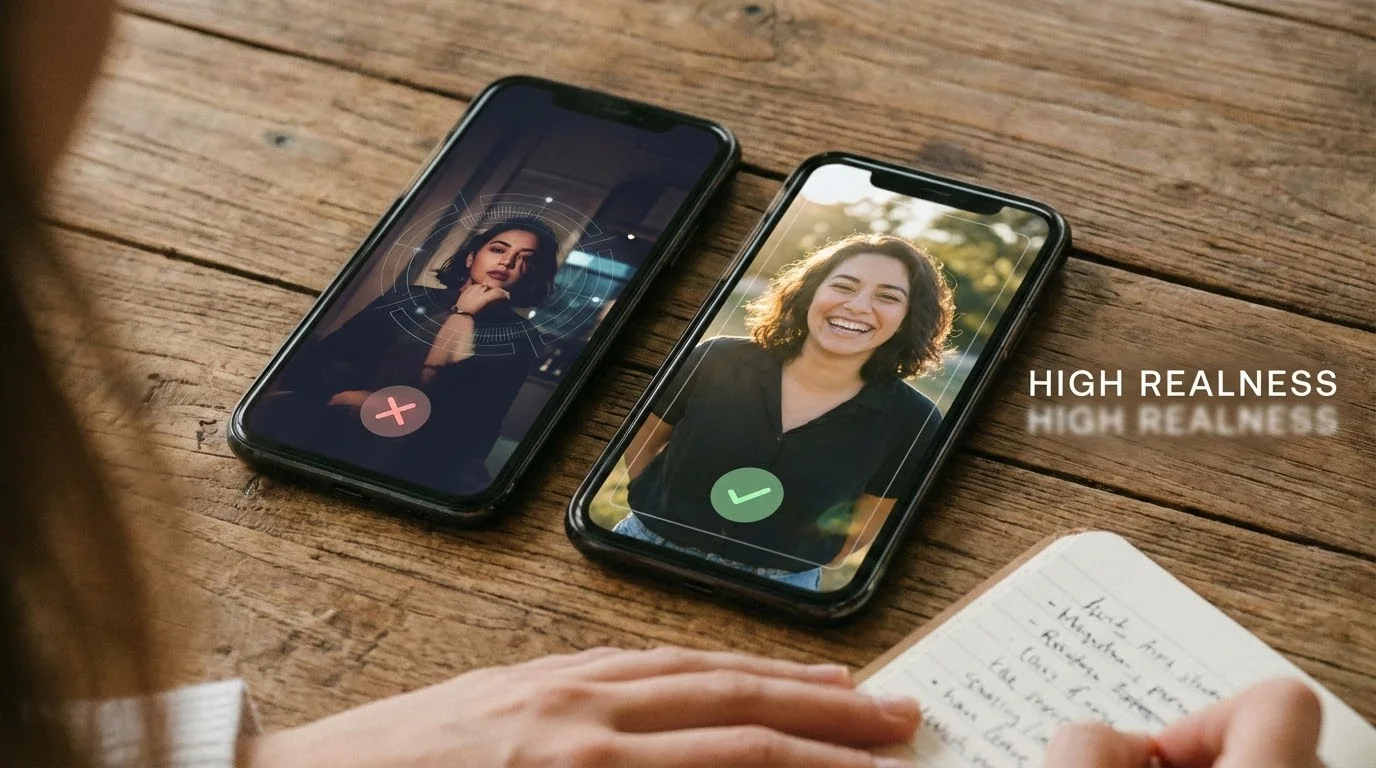
The score typically ranges from 0-100, with higher scores indicating more authentic-looking photos. Here's what different score ranges mean:
- 90-100 (Excellent): Photos look completely natural and authentic. No red flags detected.
- 70-89 (Good): Photos appear mostly natural with minor editing. Generally safe to use.
- 50-69 (Fair): Noticeable editing or quality issues. May trigger closer scrutiny.
- Below 50 (Poor): High risk of being flagged as fake or AI-generated. Avoid using these photos.
Dating apps don't publicly disclose their exact detection algorithms, but they analyze factors like facial consistency, lighting patterns, background authenticity, and metadata. If you're concerned about how dating apps detect AI photos, understanding Realness Score is your first step.
Use this guide as the baseline before you chase individual fixes. If you only need a quick visual check, start with the AI-looking photo checklist; if the score itself is weak, come back here to decide whether the problem is lighting, background, editing, photo mix, or platform risk.
Check Your Photos Before Uploading
Use our free AI Realness Score Analyzer to check if your photos might trigger detection systems on Tinder, Hinge, and Bumble.
Free analysis • Instant results • No signup required
Analyze Your Photos Free →Why Realness Score Matters for Dating Apps
Your Realness Score directly impacts your dating app success in several important ways:
Algorithm Visibility
Dating apps prioritize profiles with authentic photos. A high Realness Score signals to the algorithm that your profile is trustworthy, leading to more impressions and potential matches. Profiles flagged with low scores get deprioritized or hidden from the main feed.
Shadowban Prevention
Low Realness Scores often trigger shadowbans. If your photos consistently score poorly, the app may quietly limit your visibility without notification. Many users don't realize they're shadowbanned until their matches drop to zero. Learn more about how to detect and fix dating app shadowbans.
Trust and Credibility
Natural-looking photos with high Realness Scores build trust with potential matches. When people see authentic photos, they're more likely to swipe right and engage in conversation. Overly edited or suspicious photos create doubt and reduce response rates.
Platform-Specific Policies
Different apps have different tolerance levels. Tinder has become particularly strict about AI photos in 2025, while Hinge emphasizes authenticity through prompts and photo verification. Understanding how to use AI photos on Hinge requires awareness of their specific Realness Score thresholds.
How to Check Your Realness Score
Before uploading photos to your dating profile, test their Realness Score. Here's how:
Step 1: Use a Realness Score Analyzer
The fastest way to check your score is using a dedicated analyzer tool. Our free Realness Score Analyzer provides instant feedback on your photos without requiring signup or payment. Simply upload your photo and get a detailed score breakdown in seconds.
Step 2: Upload Multiple Photos
Test all the photos you plan to use on your profile. Dating apps analyze your entire photo lineup, not just your main picture. A single low-scoring photo can affect your overall profile credibility.
Step 3: Review the Analysis
Good analyzers provide more than just a number. Look for detailed feedback on:
- Facial consistency and natural appearance
- Lighting quality and authenticity
- Background realism
- Editing detection (filters, retouching, AI generation)
- Specific improvement recommendations
Step 4: Compare Scores
If you have multiple photo options, compare their scores to choose the best ones. Aim for a mix of photos that all score above 70, with at least one photo scoring 90+ as your main profile picture.
Step 5: Test Before Publishing
Never upload photos to dating apps without testing them first. Once your profile is flagged or shadowbanned, it can take weeks to recover your visibility, even after replacing the problematic photos.
Test Your Photos Now
Get instant Realness Score analysis for all your dating photos. Find out which photos are safe to use and which ones need improvement.
100% free • No account needed • Unlimited checks
Check Your Score Free →How to Improve Your Realness Score
If your photos score below 70, don't worry. Here are proven strategies to boost your Realness Score:
Use Natural Lighting
Photos taken in natural daylight score significantly higher than those with artificial or studio lighting. Avoid harsh flash, overly dramatic shadows, or perfectly uniform lighting that looks unnatural. Outdoor photos during golden hour (early morning or late afternoon) typically score best.
Show Environmental Context
Include authentic backgrounds that tell a story. Photos with recognizable locations, natural environments, or real-world settings score higher than studio backdrops or generic backgrounds. Coffee shops, parks, city streets, and home interiors all work well. If the background is the main weak point in your score, use the dating photo background guide before changing faces, filters, or the whole photo set.
Vary Your Poses and Expressions
AI-generated photos often have telltale signs like identical smiles across multiple images or unnatural poses. Mix candid shots with posed photos. Show genuine emotions and natural expressions rather than perfect, magazine-style poses.
Avoid Over-Editing
Heavy filters, aggressive smoothing, and unrealistic color adjustments hurt your Realness Score. If you must edit, stick to minor adjustments like brightness, contrast, and slight color correction. Never use filters that change your skin texture, facial features, or add artificial effects.
Include Lifestyle Photos
Photos of you doing activities (hiking, cooking, playing sports) score higher than static portrait shots. These contextual photos are harder for AI to generate convincingly, so they carry more authenticity weight.
Maintain Facial Consistency
If you're using AI-generated photos, ensure they all look like the same person with consistent facial features, skin tone, and overall appearance. Inconsistent faces across photos are an immediate red flag for detection systems.
Check Photo Metadata
Some AI detection systems examine photo metadata (EXIF data). If possible, use photos taken with a real camera or smartphone rather than downloaded or AI-generated images. Real photos contain camera settings, timestamps, and location data that build authenticity.
Common Realness Score Mistakes to Avoid
Understanding what hurts your score is just as important as knowing what helps. Avoid these common mistakes:
- Using all AI-generated photos: Even high-quality AI photos will have consistency issues when used exclusively. Mix AI photos with real ones if you choose to use them.
- Excessive background blur: Aggressive bokeh or artificial background blur that doesn't match natural depth-of-field is a major red flag.
- Perfect symmetry: Real photos have natural imperfections. Perfectly symmetrical faces or environments look suspicious.
- Identical lighting across all photos: Real photo collections show variety in lighting conditions. Identical lighting suggests batch generation or heavy editing.
- Unrealistic backgrounds: Generic or impossible backgrounds (like perfect tropical beaches in every photo) trigger detection.
- No contextual photos: Profiles with only headshots or mirror selfies score lower than those showing you in real-world situations.
- Ignoring platform-specific guidelines: Each app has different priorities. For example, Bumble's approach to AI photos differs from Tinder's policies.
Realness Score Across Different Dating Platforms
While the concept of Realness Score applies to all dating apps, each platform has its own detection sensitivity and policies:
Tinder
Tinder has the most aggressive AI photo detection in 2025. They've invested heavily in verification technology and regularly update their algorithms. Photos need to score 75+ to be safe. If you're wondering about whether Tinder will ban AI photos, the answer is they're already flagging low-scoring images.
Hinge
Hinge emphasizes authenticity through prompts and verification badges. Their Realness Score threshold appears slightly more lenient (70+), but they cross-reference photos with your prompt answers. Inconsistencies between photos and written content trigger additional scrutiny. Check our guide on using AI photos on Hinge for platform-specific tips.
Bumble
Bumble's photo verification system is particularly sophisticated. They require at least some photos to match your verification selfie, which means you can't use exclusively AI photos. Aim for 80+ scores on verification-eligible photos. Learn more about Bumble's AI photo policies.
Other Platforms
Apps like Match, OkCupid, and Coffee Meets Bagel have varying detection levels. Generally, newer platforms with larger user bases have more sophisticated detection, while smaller or older apps may be less strict.
Which Realness Score Fix Should You Use?
Different Realness Score problems need different fixes. Use this page for the full diagnosis, then choose the narrow next step only when it matches the issue you see:
- The photo looks synthetic at a glance: compare it against the fake-looking AI photo signs before regenerating everything.
- Your score is below 70: follow the step-by-step path to improve Realness Score from 60 to 90+.
- You need a pre-upload check: use the AI-generated photo checklist for hands, skin, lighting, and background coherence.
- The risk is platform-specific: pair this guide with the app policy pages for Tinder, Hinge, or Bumble instead of assuming every app reviews photos the same way.
Final Thoughts
Your Realness Score is a critical factor in dating app success that most users overlook. By understanding how this metric works and taking steps to optimize your photos, you can avoid shadowbans, improve your visibility, and ultimately get more quality matches.
The key is balance: use natural-looking photos with authentic backgrounds, varied poses, and minimal editing. Always test your photos with a Realness Score analyzer before uploading them to your profile. A few minutes of checking can save you weeks of poor match rates and algorithmic penalties.
Remember that Realness Score isn't about having perfect photos—it's about having authentic ones. Focus on showing the real you in flattering but natural ways, and your score and matches will improve.
Transform Your Dating Profile Today
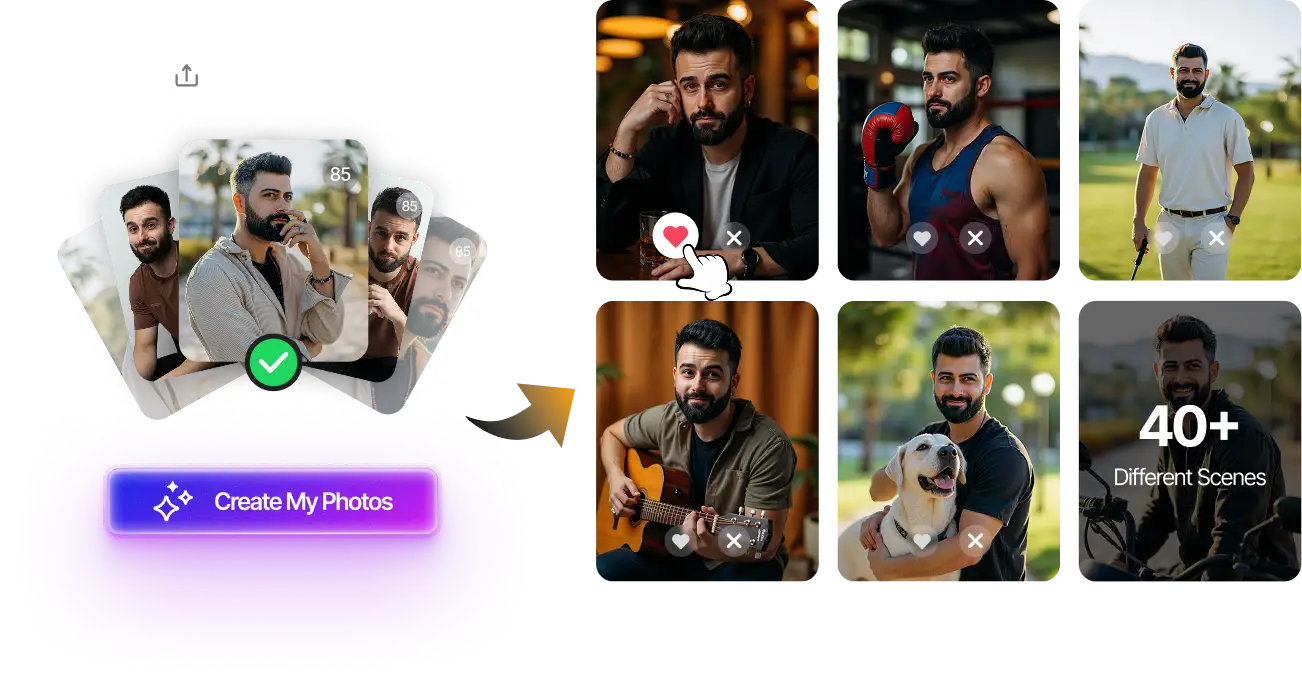
Upload your selfies, get 80-180 AI-optimized dating photos in just 20 minutes. No photoshoot needed.
100+ unique photos • Privacy-first • One-time payment
Get Started Now →Frequently Asked Questions
What is a good Realness Score for dating apps?
A good Realness Score is 70 or higher, with 90+ being ideal for your main profile photo. Scores below 70 may trigger additional scrutiny or reduce your profile visibility. Most successful profiles maintain average scores of 75-85 across all photos.
Can I use AI photos if they have a high Realness Score?
Yes, high-quality AI photos that score 75+ can be used safely, but it's recommended to mix them with real photos. Never use exclusively AI-generated photos, as dating apps can detect pattern consistency across your photo set. A 50/50 mix of real and high-scoring AI photos works best.
How often should I check my Realness Score?
Check your Realness Score every time you plan to add or change photos on your dating profile. Dating app algorithms update regularly, so photos that scored well six months ago might score differently today. It's also smart to recheck if you notice a sudden drop in matches or engagement.
Will a low Realness Score get me banned?
A low Realness Score alone typically won't result in an immediate ban, but it can trigger shadowbans or reduced visibility. Repeated use of low-scoring photos, especially after warnings, may eventually lead to account suspension on platforms like Tinder. It's best to proactively replace any photos scoring below 70.
Can I improve my Realness Score with editing apps?
Minor editing (brightness, contrast, cropping) won't hurt your Realness Score, but heavy editing, filters, or smoothing will lower it. If you need to edit photos, use subtle adjustments that enhance rather than transform. Avoid any editing that changes facial features, skin texture, or creates artificial effects.